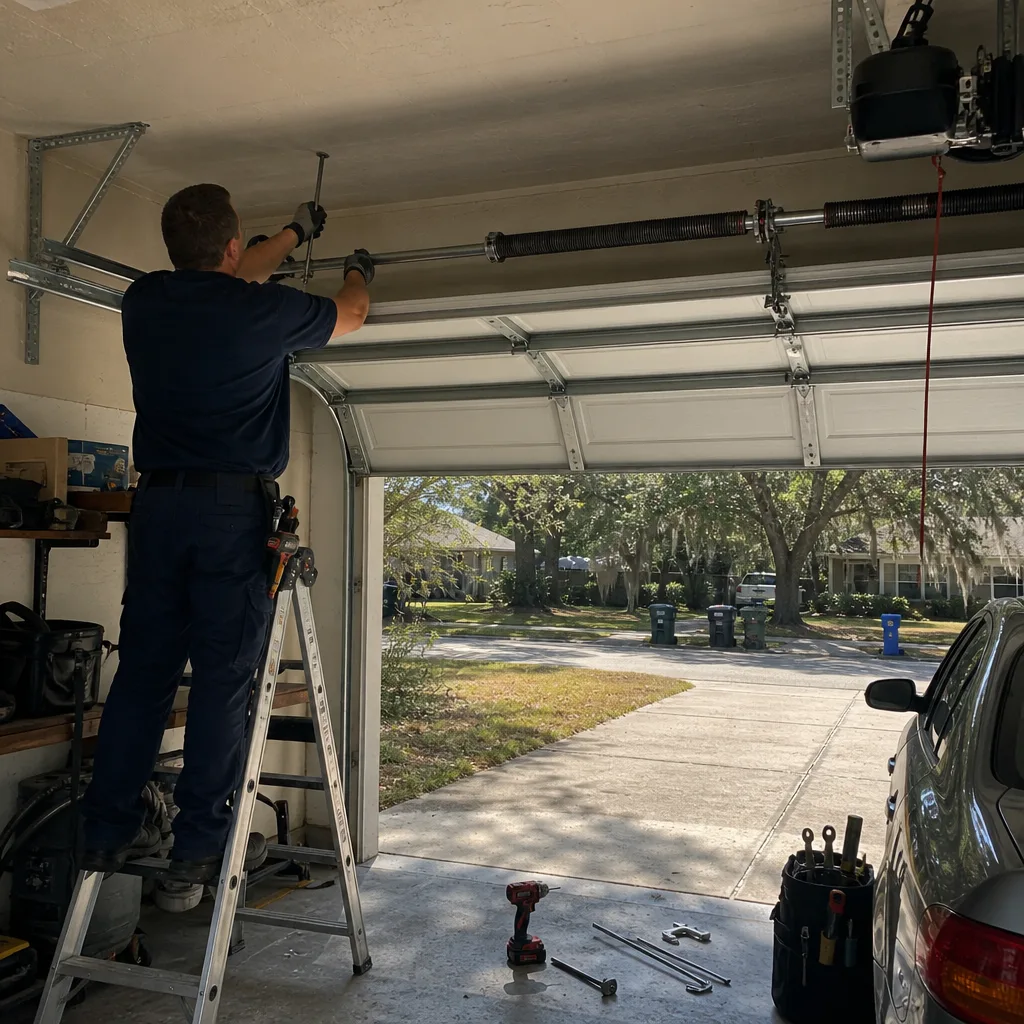
Last updated November 21, 2026
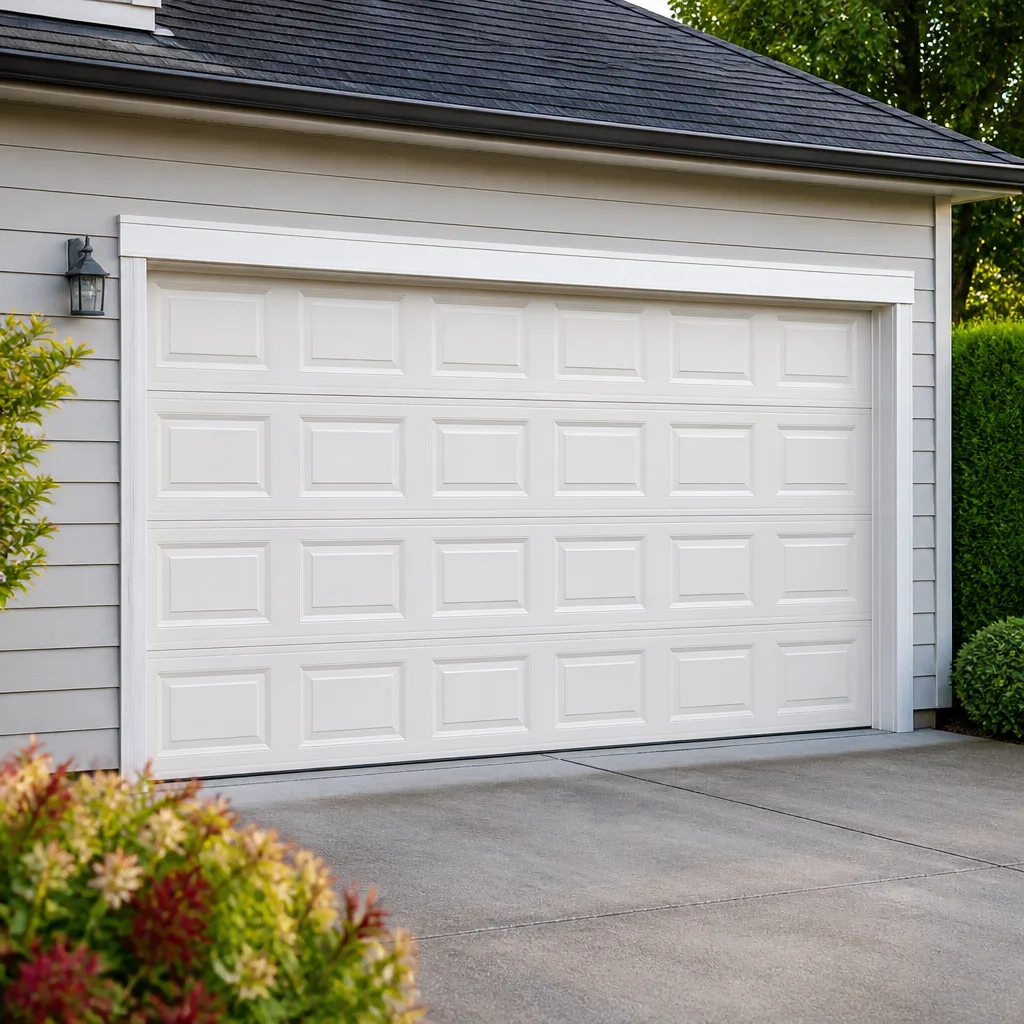 Raised-panel steel
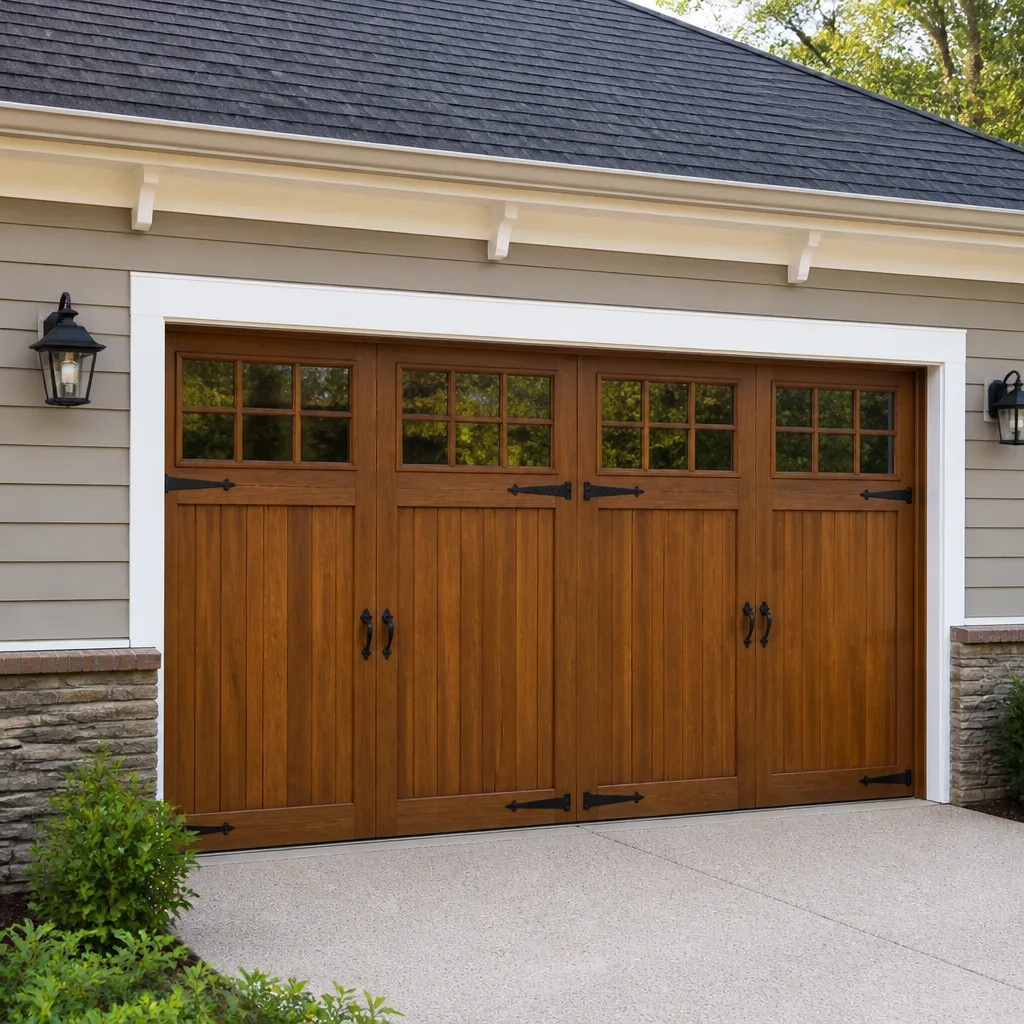 Carriage house
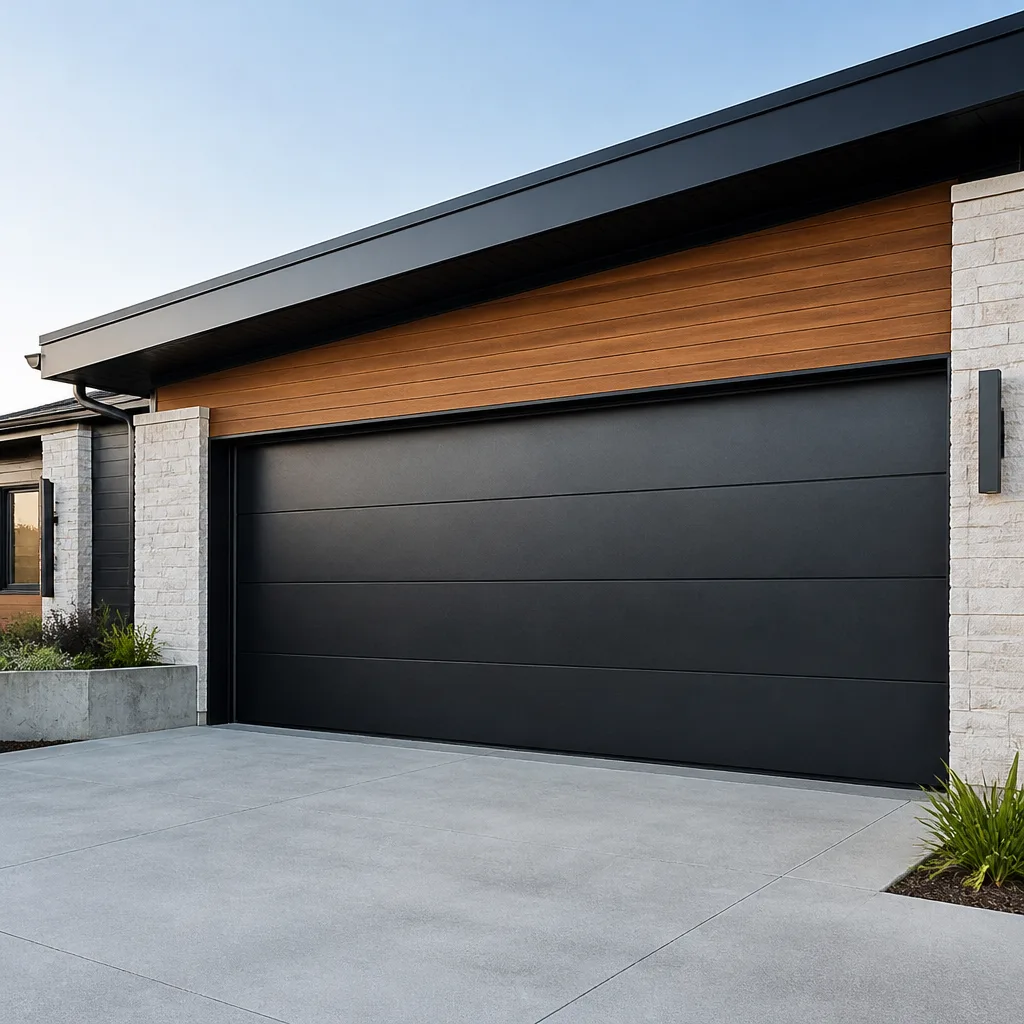 Modern flush
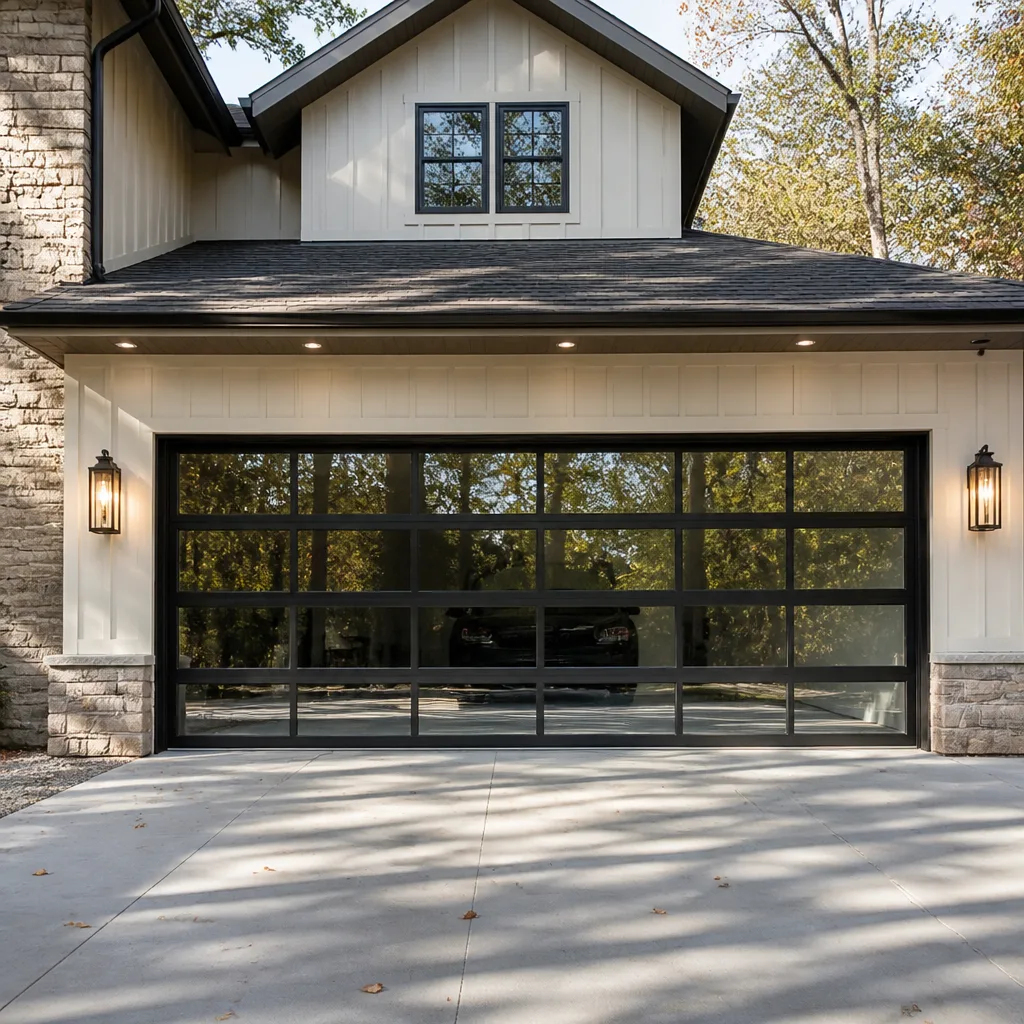 Full-view glass
 LiftMaster openers
 Chamberlain openers
Full 25-point door and opener safety check with every visit - springs, cables, rollers, tracks, and your LiftMaster or Chamberlain opener included
You get a price before we start. It does not change when the pro arrives.
Get your free estimateSeasonal Garage Door Care for Ocala: Year-Round Homeowner’s Guide
Ocala doesn’t get four equal seasons. Ask any homeowner here and they’ll tell you it’s closer to three: a wet season, a dry season, and a storm window that opens somewhere around late summer and keeps everyone watching the radar. That matters for your garage door more than any calendar-based checklist you’ll find online. Most seasonal guides are written for a climate with hard winters and dry summers, and they miss the things that actually wear a door in Marion County. The single most common surprise: the dry stretch in what passes for winter is when wood-composite door panels are most likely to gap at the bottom seal, because they contract in ways the humid season’s swelling hides for months. This guide walks through what happens to your door across an Ocala year and what to check at each turn.
Quick Answer
Seasonal garage door care in Ocala is built around the wet season, the dry season, and hurricane season rather than spring, summer, fall, and winter. The short version: inspect and tighten in April before storms arrive, check springs and moving parts for humidity-driven rust through the summer, keep debris and branches clear after any wind event, lubricate for cooler nights in late fall, and expect the strong UV here to wear weatherstripping and painted steel faster than the manufacturer’s schedule assumes. A twice-a-year walkthrough plus a careful look after big storms covers nearly everything.
Styles & brands we work with
- Raised-panel steel
- Carriage house
- Modern flush
- Full-view glass
- LiftMaster openers
- Chamberlain openers
Table of Contents
- How Ocala’s Climate Reshapes a Normal Maintenance Calendar
- Pre-Hurricane Season Checklist (April – May)
- Wet Season and Humidity: Rust, Springs, and Seals (June – September)
- Post-Storm Inspection: Five Things to Check After Sustained Winds
- Dry Season and Cooler Nights: Opener Strain (November – February)
- UV, Weatherstripping, and Painted Steel
- Brand-Specific Seasonal Considerations
- A Simple Month-by-Month Routine
How Ocala’s Climate Reshapes a Normal Maintenance Calendar
Most garage door advice assumes winter means freezing temperatures and salt on the roads. Neither applies in Ocala. What you get instead is a long humid stretch, a shorter dry stretch, and a window of the year where high wind is a real planning concern. Those three forces do more to a door than cool mornings or warm afternoons ever will.
Here’s what actually happens to a typical door through an Ocala year:
- Humidity hangs in the air for months. It finds steel hardware, spring coils, hinges, and rollers, and it doesn’t take long to leave a rust film on any of them that aren’t protected.
- Drought and dry air arrive in the cooler months. Wood and wood-composite panels shrink slightly. Seals pull away at the bottom, and gaps that weren’t visible in July become obvious by January.
- Storms arrive on their own schedule. Wind-driven rain reaches parts of the door and track assembly that a garden hose never will, and debris piles up in places most homeowners never think to check.
This is why a fixed “spring cleaning and fall tune-up” approach underserves an Ocala home. The timing that makes sense here is tied to what the weather is doing, not the date on the page. Our technicians have up to 14 years of experience, and most of that experience in Central Florida work is about timing as much as repair. We’re Ocala Garage Door Repair Pros, and we’ve helped homeowners build maintenance routines around the local rhythm instead of a generic one.
The good news: you don’t need a professional for every step. A monthly visual check, a seasonal lubrication pass, and a careful post-storm look cover most of the routine. What a homeowner needs from a specialist is help with the parts that carry tension, run the opener motor, or hold the door’s weight. Those we’ll flag throughout.
Pre-Hurricane Season Checklist (April – May)
The weeks before the first named storm of the year are the single most productive window for garage door maintenance in Ocala. Getting this checklist done before storm season begins means you won’t be fixing things while wind is already building. The goal isn’t hurricane-proofing, since no standard residential door is built for direct wind from a major storm. The goal is making sure your door is in good working order, securely attached, and free of anything that would turn into a projectile.
- Clear the area around the door. Loose tools, planters, and anything lightweight stored against the garage walls can be picked up by strong wind and driven into the door panels. Put them away or secure them.
- Check the tracks for bends and loose brackets. Look for dents, dings, or gaps between track sections. Gently push on the vertical and horizontal track by hand, and if either shifts, note it for repair.
- Inspect hinges and rollers. Any hinge showing rust at the pivot, or any roller with flat spots or wobble, should be replaced before the door carries the added stress of a heavy use week.
- Test the opener’s safety reverse. Place a piece of wood or a rolled towel on the floor in the door’s path. If the door doesn’t reverse when it touches the object, the opener needs adjustment or repair before storm season.
- Check weatherstripping around the perimeter. Wind-driven rain is the most common source of interior water damage when a seal is cracked or loose. Look for gaps, tears, or sections that have pulled away from the frame.
- Confirm the manual release works. Every garage door has a red release handle that disconnects the door from the opener in a power outage. Pull it once in a controlled way to make sure it operates smoothly, then re-engage it. Test this before the day you actually need it.
- Schedule a professional look if anything above isn’t right. A spring or opener issue found in April is a repair. The same issue found in a storm-preparation rush becomes a scramble.
April and May are also a good time to think about longer-term projects. If your door is on its last legs, planning ahead beats emergency replacement during storm season, and it opens up your options. Our garage door installation work involves measuring, ordering, and scheduling, which is much easier to arrange calmly than under pressure.
Wet Season and Humidity: Rust, Springs, and Seals (June – September)
From June through September, Ocala gets most of its annual rain, and the humidity stays high even on the days it doesn’t. For a garage door, this stretch is where rust starts on unprotected hardware and accelerates on anything already compromised. The springs get the most attention for a reason: they hold the door’s weight under constant tension, and any corrosion on a torsion or extension spring reduces how much force it can safely carry.
A healthy spring looks uniform. The coils are tight and even, and the metal is either bare-clean or has a consistent protective coating without pitting. A spring that’s under active corrosion shows its age fast:
- Surface rust, orange or brown, on the outer coil or on the torsion bar near the spring windings.
- Flaking or pitting. Small flakes mean the metal beneath the surface is already losing integrity.
- Visible separation between coils when the door is fully closed, which can indicate stretching.
- Loud pops, creaks, or squeals when you operate the door. A healthy spring is quiet.
- The door feels heavy or falls quickly when you test the manual release at waist height.
A safety note: Torsion and extension springs are under extreme tension. Adjusting, removing, or replacing one without the right tools and technique can cause serious injury, and we don’t recommend any homeowner try to. If you spot any of the warning signs above, stop using the door and call a technician. Weak points in a spring can give way without warning, which is why spring repair is a safety job, not a maintenance task. We treat it that way in every service call we take. If your spring has failed outright, garage door repair is the right starting point, and we can usually get your door back in service quickly.
Elsewhere on the door, humidity drives rust on hinges and the bottom roller brackets in particular, since those sit closest to the concrete floor where moisture lingers. A light coat of garage-door lubricant on hinges, rollers, and any exposed metal not part of the spring assembly goes a long way. Don’t spray inside the spring, and don’t use WD-40 or any product labeled as a solvent rather than a lubricant. A proper garage door lubricant is thicker and stays put through the wet season.
The bottom seal deserves its own mention. High humidity softens the rubber and can cause it to curl at the ends or pull partially away from the channel. Check it in mid-summer while it’s at its most flexible and easiest to see where it’s failing.
Post-Storm Inspection: Five Things to Check After Sustained Winds
Ocala sees its share of strong thunderstorms and the occasional tropical system. After any storm with sustained winds over 45 mph, do this inspection before using the door again. Skimping on this step risks running a door that’s been subtly knocked out of alignment, which turns a fixable adjustment into a larger repair.
- Walk the full perimeter and look for debris lodged in the tracks. Palm fronds, small branches, and roof gravel are the most common culprits. Anything wedged in the track can bind a roller and stop the door mid-travel.
- Examine the panels for dents, creases, or misalignment. A dented panel can throw off the door’s balance. Look especially at the bottom panel, since that’s the one most likely to take an impact from debris.
- Test that the door moves freely by hand while disengaged. Pull the manual release, lift the door to about waist height, and let it go. It should stay roughly where you left it. If it drops or feels unusually heavy, the balance or spring system has been affected, and you should call a professional before re-engaging the opener.
- Check the weatherstripping and door seals for damage. Wind-driven rain can tear a bottom seal or force water past a perimeter seal that was fine before the storm. Replace anything torn, and dry out any wet areas inside the garage.
- Look at the opener’s mounting and the ceiling attachment. The opener’s rail and brackets take vibration during wind events. If anything looks loose or the door hangs unevenly, have it looked at before running it again.
If you find damage during any of these steps, don’t run the opener as a diagnostic test. An off-balance door puts strain on the motor and can damage panels further. Ocala Garage Door Repair Pros offers same-day and emergency service for exactly this situation, whether the door is stuck, the opener won’t respond, or the door just doesn’t look right after a storm. One call covers the inspection and the fix.
Dry Season and Cooler Nights: Lubricant, Seals, and Opener Strain (November – February)
Ocala’s cooler months are the driest stretch of the year, and they’re the season most homeowners overlook because the weather is pleasant and the door “seems fine.” It isn’t always fine. Cooler overnight temperatures change how garage door lubricant behaves. A lubricant that flowed freely in August becomes noticeably thicker as temperatures drop, and that adds resistance to every moving part: rollers, hinges, bearings, and the opener’s drive mechanism.
The result is more strain on the opener motor than the manufacturer’s design assumed, especially on older openers or doors that are already on the heavier side. If you notice the opener working harder, sounding louder, or taking longer to complete a full cycle during a cold snap, this is usually why. A fresh application of a temperature-appropriate lubricant in late November goes a long way toward fixing it.
This is also the season for two other maintenance items:
- Bottom seal replacement. As noted at the start of this guide, wood and wood-composite doors are most likely to gap at the bottom seal during the dry months, because contraction is at its peak. A gap lets in cold air, insects, and small rodents, and it makes your garage noticeably harder to keep at a stable temperature.
- Opener battery check. If you have a battery backup on your opener, test it now. Openers from LiftMaster and Chamberlain, in particular, are designed to work during a power outage, but only if the battery holds. Testing takes a minute. Replacing a dead battery before storm season is much easier than discovering it during an outage.
Smart and connected openers have their own dry-season check: confirm the app or MyQ connection is working and that no firmware update has knocked it offline. Connected opener systems from LiftMaster and Chamberlain are a regular part of our garage door opener repair work, and most connectivity issues are straightforward to fix once we’ve looked at the system.
UV, Weatherstripping, and Painted Steel
Ocala sits in a part of the country with some of the highest UV exposure in the continental US, and garage doors take that exposure head-on. A south- or west-facing door gets hammered from late morning through the afternoon for most of the year. This isn’t a small detail. UV degrades the materials a door is made of in ways manufacturers’ replacement schedules assume a milder climate.
What that means in practice:
- Weatherstripping and seals dry, crack, and shrink faster than the standard replacement interval suggests. A seal that “should” last several years may start cracking in two or three in an Ocala climate.
- Painted steel doors fade and eventually chalk on the sun-facing side. Once the paint film breaks down, the steel underneath is exposed to humidity, and rust starts at the points where the protective coating is thinnest.
- Wood and wood-composite doors lose their finish faster on the sun side. Re-sealing or re-painting on a shorter cycle than the manufacturer recommends keeps the material stable through the dry season.
- Plastic and vinyl components on the opener, on the track brackets, and along the perimeter of the door can become brittle and crack, especially if they were installed years ago and have been in constant sun.
Practical advice: inspect the weatherstripping on the sun-facing side first. That’s where you’ll see the first signs of UV damage. If the seal is cracked or hard to the touch on one side and still pliable on the other, it’s time to replace it. On painted doors, look for chalking (a chalky residue that rubs off on your hand) and any small rust spots. Those are the early indicators that the paint film is breaking down.
If you’re comparing options for a door replacement, ask about finishes specifically designed for high-UV climates. Several of the major manufacturers, including Amarr and Wayne Dalton, offer finish options that hold up better under sustained sun exposure than standard paint. When we quote garage door installation, we look at which side of the house the door faces and match the finish to that orientation.
Brand-Specific Seasonal Considerations
Not every door system responds to the Ocala climate the same way, and a routine built around one brand’s hardware doesn’t always fit another. Here’s how seasonal care differs across the brands we work with most often.
Amarr produces a large share of the steel doors we service. Their steel panels hold up well but benefit from a mid-year paint check, especially on doors with darker colors that absorb more heat. Anywhere the finish has chipped, touch it up before the wet season to keep moisture off the steel.
Wayne Dalton covers a wide range of materials from insulated steel to composite. Composite and wood-look doors need the closest attention to the dry-season contraction issue, since the seal gap concern is most pronounced on these materials.
Craftsman openers are common in homes across Ocala, and the seasonal check that matters most is the safety reverse test. Craftsman units are dependable but sensitive to worn rollers and hinges, which add strain to the motor. If a Craftsman opener has been slow or noisy through the summer, a hardware tune-up often resolves it without replacing the opener.
Raynor doors often come with heavier-gauge springs and openers tuned to match. On these systems, the wet-season rust check on springs and the dry-season balance check are the two most important seasonal steps. Raynor’s openers are sensitive to lubrication quality, so use a dedicated garage door lubricant rather than a general-purpose product.
Our team works directly on the brand already in your home: LiftMaster, Chamberlain, Genie, Clopay, Amarr, Wayne Dalton, Craftsman, and Raynor. Knowing the specific hardware each brand uses means we bring the right parts and expertise to a service call instead of diagnosing brand-specific quirks on site. That’s one reason we’re garage door specialists rather than generalists.
A Simple Month-by-Month Routine
Here’s the practical takeaway. You don’t need to remember ten checklists. One routine, repeated through the year, covers most of what matters.
Every month:
- Look at the door from inside the garage with the door closed. Are the panels straight, or does one side sag?
- List any new noises. A creak that wasn’t there last month is the earliest warning sign of a binding hinge or roller.
- Check the floor area for anything that could get caught in the door and cause a sudden stop.
In April: run the full pre-hurricane checklist above. This is your biggest maintenance opportunity of the year.
In June and again in August: check the springs visually, lubricate the moving hardware, and look for humidity-driven rust along hinges and rollers.
In November: refresh the lubricant with a formula that flows at cooler temperatures, and inspect the bottom seal for the dry-season contraction gap.
After any storm with sustained winds over 45 mph: do the five-point post-storm inspection before using the door.
If anything during these checks gives you pause, don’t wait for the next scheduled check. Small adjustments done early tend to stay small. The cost of ignoring a problem through one more season is usually more than the cost of fixing it in the first place.
Common Mistakes to Avoid
- Following a northern winter prep schedule. If you’re prepping for freeze-thaw cycles and salting the driveway, you’re spending effort on things Ocala doesn’t throw at you. Focus on humidity, UV, and wind instead.
- Using WD-40 on the rollers, hinges, or springs. It’s a solvent, not a garage door lubricant. It thins out and attracts dust, and on springs it can accelerate corrosion rather than prevent it.
- Ignoring the bottom seal during the dry season. Cooler months make the contraction gap visible. If you only check in summer, you’ll close the gap up with a fresh seal and miss the second gap that opens in January.
- Skipping the safety reverse test. It’s a two-minute check and it’s the single most important function of the opener for kids, pets, and anyone walking into the garage while the door is closing. Test it after any storm, any opener repair, and at least every few months.
- Trying to service torsion springs without training. Springs store enormous energy and can release it instantly. If you see rust or hear noise, stop using the door and call a specialist. This isn’t a task worth the risk.
- Assuming the manufacturer’s replacement interval fits Ocala. UV here runs higher than in most of the country. Weatherstripping and paints that hold for years elsewhere may need replacing well before the packaging expects.
- Waiting until a storm is on the radar to prepare. Storm-season prep done in a rush usually means missed checks and rushed repairs. The April routine is the whole point.
See the difference
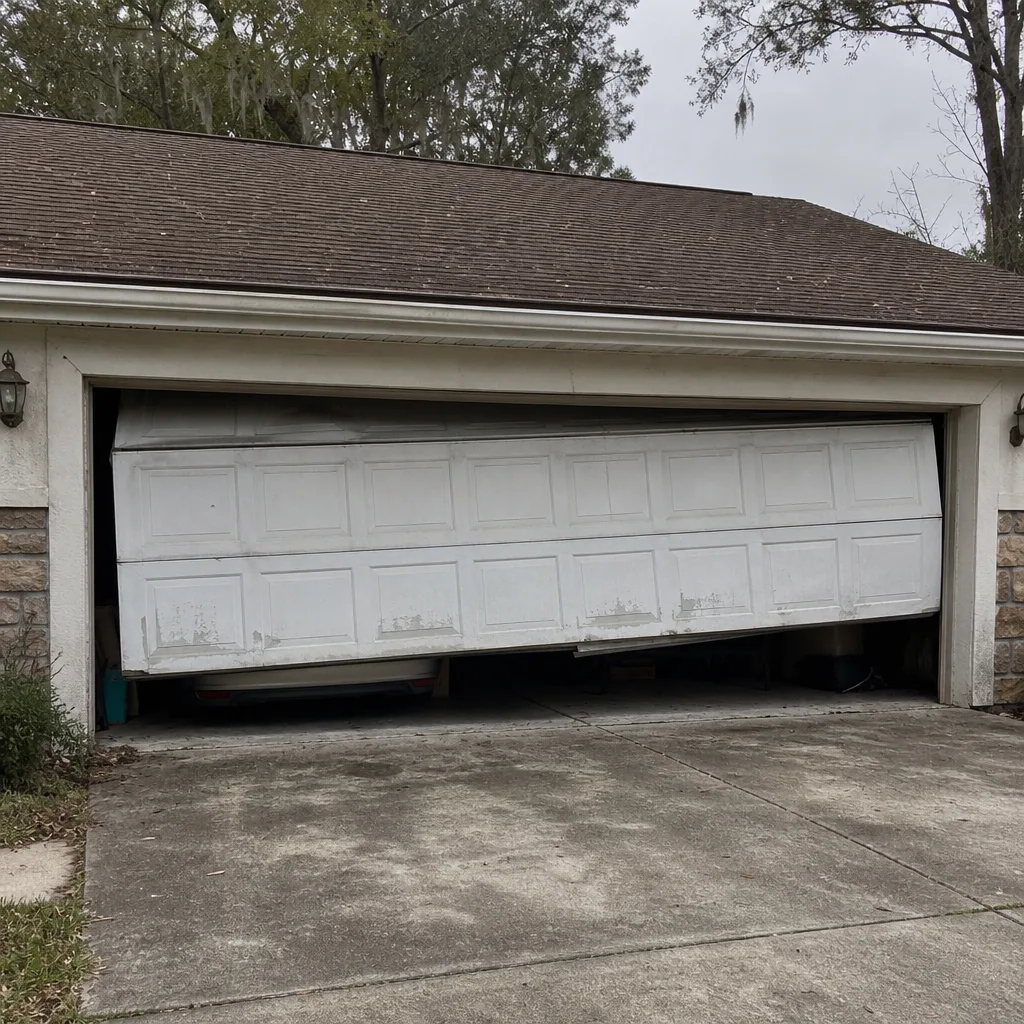 Before
 After
 Before
 After
 Before
 After
When to Call a Professional
Most seasonal maintenance is a homeowner’s job. Some of it isn’t. Call a garage door specialist when the situation involves the spring system, the opener motor, the door’s balance, or a damaged panel that’s affecting how the door tracks. Call us right away if the door is stuck open, if you can’t get a car out, if the door won’t close fully after a storm, or if a spring has visibly snapped. Those are the cases where a quick repair now beats a larger one later.
Ocala Garage Door Repair Pros offers free estimates in Ocala, and the price you’re quoted before work starts is the price. Estimates are free, and the written quote sets the final price, so you’ll know exactly what you’re paying before anyone touches the door. Call (844) 497-0351 to schedule a seasonal tune-up, a spring check, an opener repair, or a full installation estimate.
Frequently Asked Questions
April is the best single month for a thorough maintenance pass in Ocala, because you’re working before the wet season and storm window arrive. A second full pass in November catches the dry-season issues that only show up when the air cools and materials contract.
Twice a year is the minimum in Ocala: once in late spring and again in late fall. In a wet season with heavy humidity, a third light pass in mid-summer helps, especially on hinges and rollers near the garage floor.
Wood and wood-composite doors contract in Ocala’s dry, cool months, and that shrinkage opens a gap at the bottom seal that wasn’t visible in the humid season. Replacing the bottom seal in late fall or early winter is usually the fix. Call (844) 497-0351 for an exact quote on a replacement seal, and estimates are free.
Yes. After any storm with sustained winds over 45 mph, we can inspect the door, the tracks, and the opener before you use the system again. Running a door that’s been knocked out of alignment can turn a small adjustment into a full panel or opener replacement, so getting it looked at early is worth the call.
The high UV exposure combined with humidity is the single biggest factor, because UV breaks down weatherstripping and painted steel faster than manufacturers’ schedules assume, and humidity finds any small opening that creates. Together they cause more seasonal wear than temperature swings do here.
Yes. Our technicians work on products from LiftMaster, Chamberlain, Genie, Clopay, Amarr, Wayne Dalton, Craftsman, and Raynor. Whether you need a spring check, an opener repair, or a full replacement, the same team handles it, so one call covers everything on the door and opener.
The Bottom Line
Seasonal garage door care in Ocala isn’t a winterizing job. It’s a wet-season, dry-season, and storm-window job. Do a full pass in April before storm season, focus on humidity and spring health through the summer, inspect carefully after any storm with sustained winds over 45 mph, and check the bottom seal and lubricant as soon as cool, dry air arrives in November. Expect UV here to wear weatherstripping and finishes faster than the manufacturer’s packaging assumes. Beyond those basics, keep the monthly visual check going and address small issues before they grow. If anything involves the springs, the opener motor, or the door’s balance, call a specialist. That’s what we do.
Call (844) 497-0351 for a free estimate on seasonal maintenance, spring repair, opener service, or a full replacement. We’re Ocala Garage Door Repair Pros, and we handle the whole door and opener in one visit.
Written by the team at Ocala Garage Door Repair Pros.