Last updated November 21, 2026
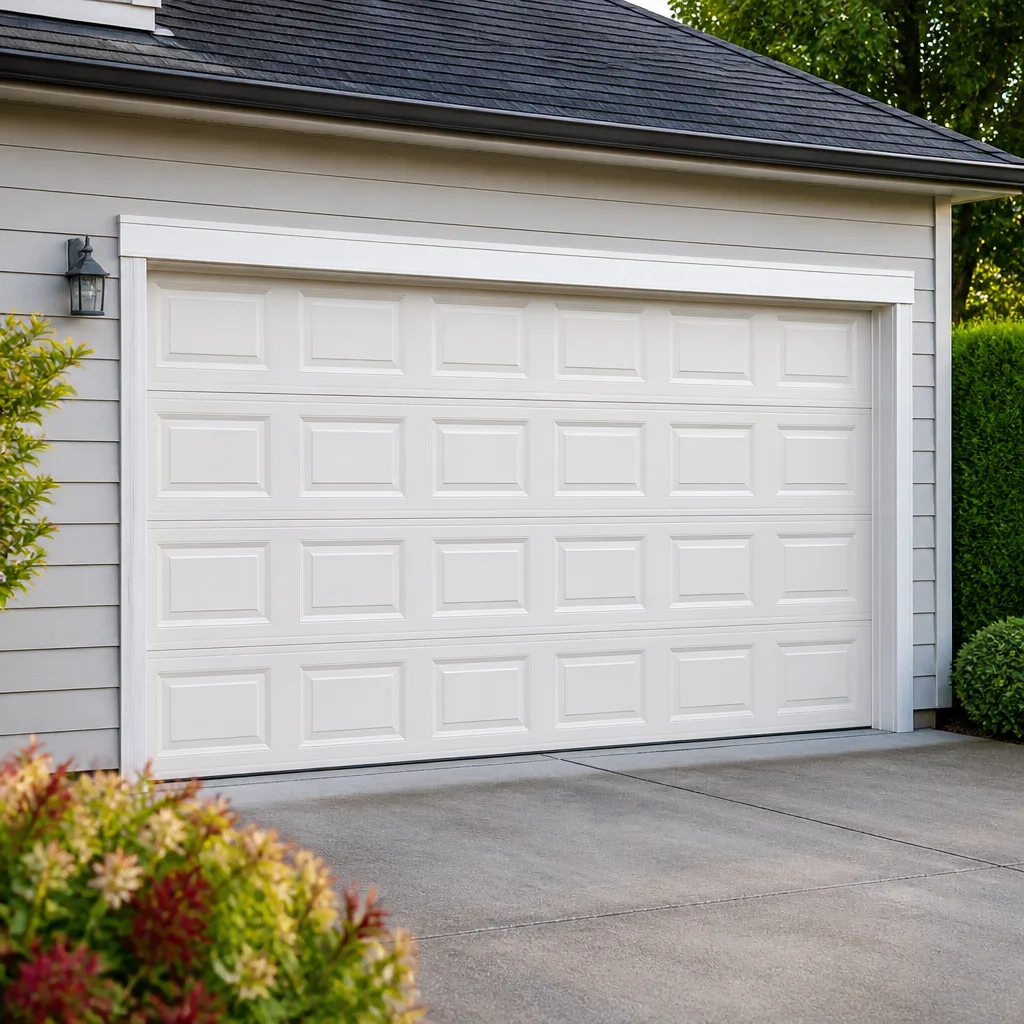 Raised-panel steel
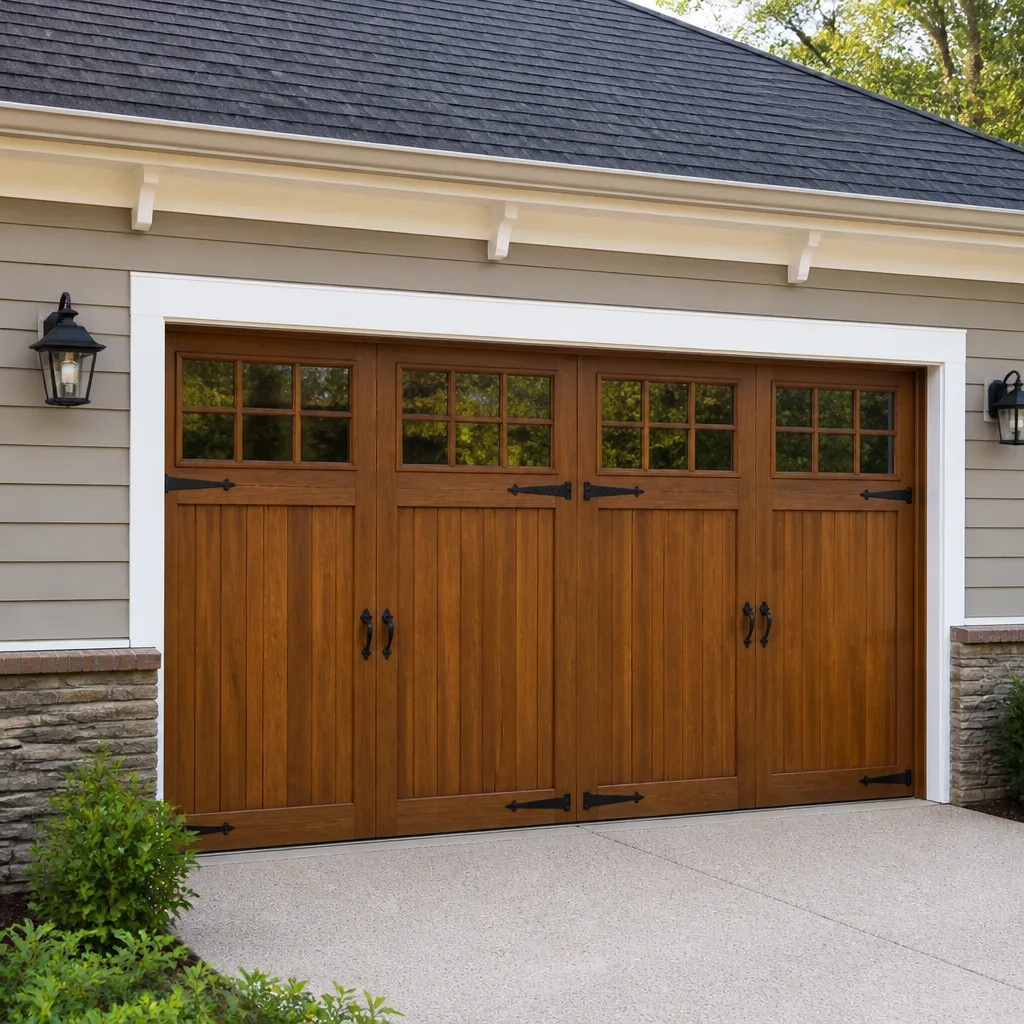 Carriage house
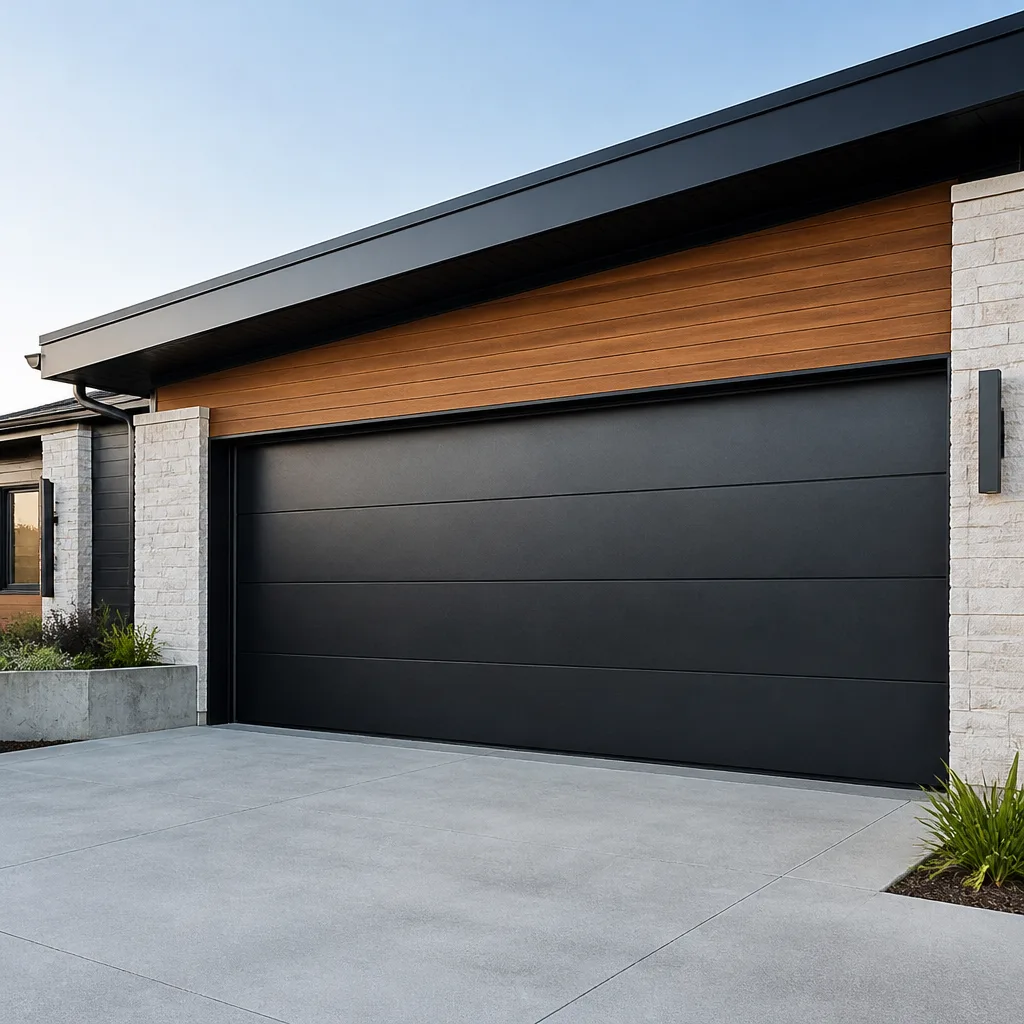 Modern flush
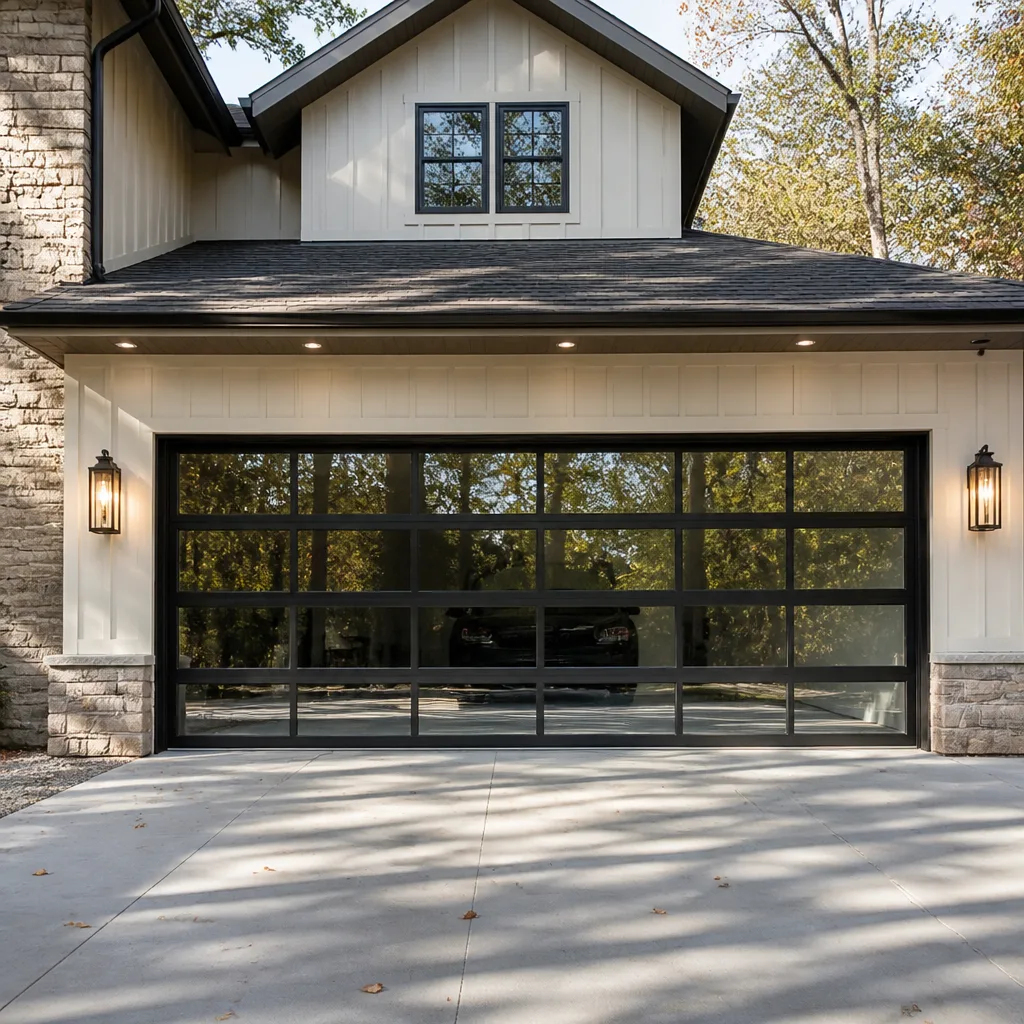 Full-view glass
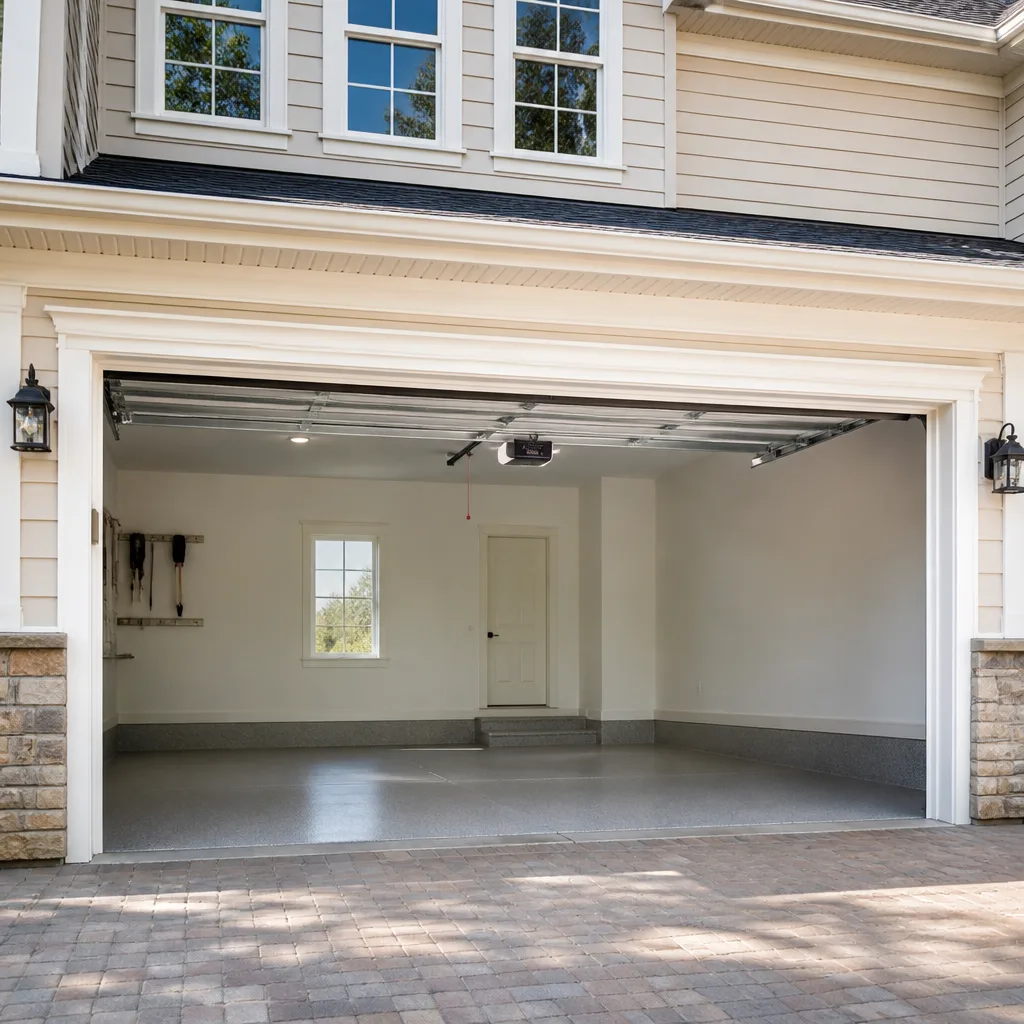 LiftMaster openers
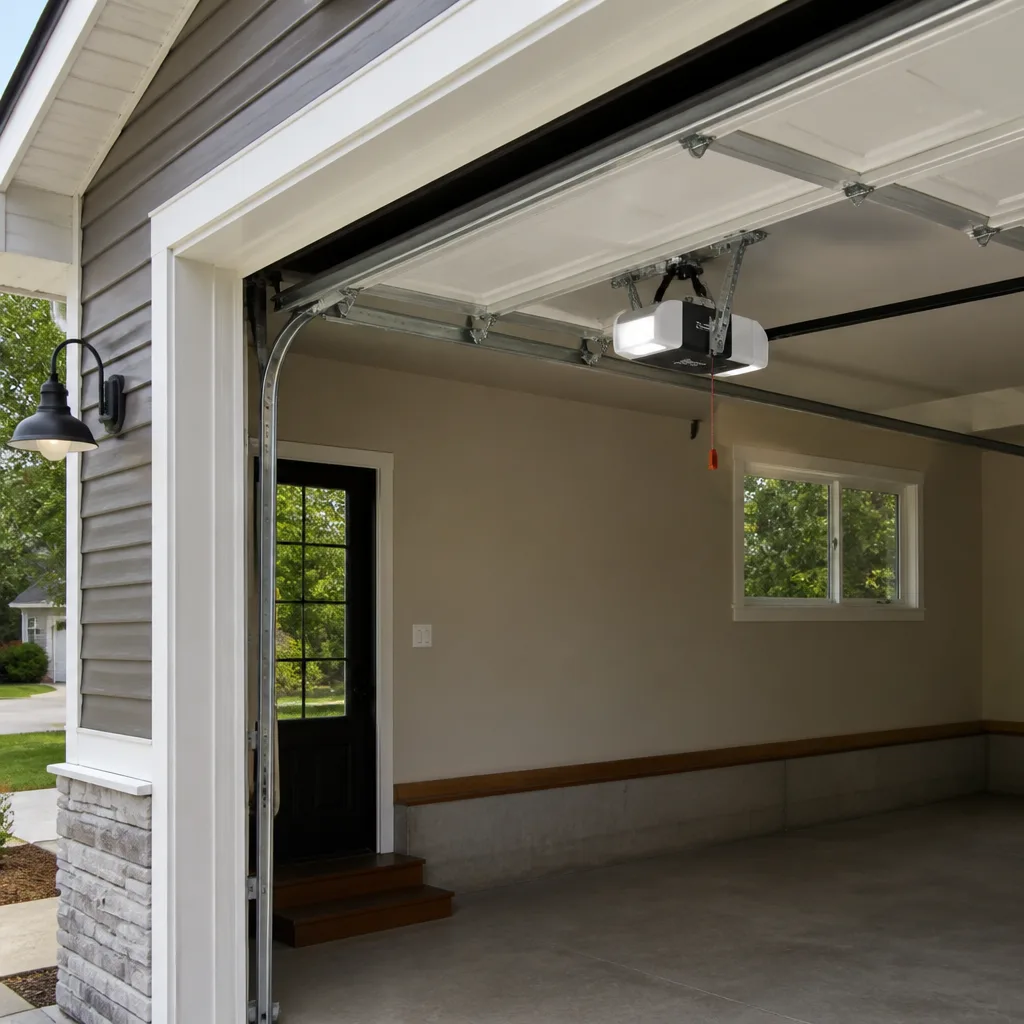 Chamberlain openers
Full 25-point door and opener safety check with every visit - springs, cables, rollers, tracks, and your LiftMaster or Chamberlain opener included
You get a price before we start. It does not change when the pro arrives.
Get your free estimateThe Complete Guide to Garage Doors in Ocala
Most Ocala homeowners buying a new garage door are handed advice written for Phoenix or Portland – climates with nothing in common with North Central Florida’s humidity, storm seasons, and Marion County building requirements. That borrowed advice leads people to the wrong material, the wrong spring setup, and a door that fights the weather instead of shedding it. Ocala sits in a humid subtropical pocket where afternoon thunderstorms build almost daily through the warm months, and that single fact touches every part of your door: how fast the springs corrode, whether your bottom seal survives, and which door construction clears code for wind. This guide treats Ocala as its own place, not a placeholder city.
Quick Answer
The right garage door for an Ocala home balances three things national guides skip: humidity resistance, wind load, and parts availability for the brand already on your house. For most homes here, a steel door with a hot-dip galvanized or heavily coated track and hardware, paired with a torsion spring system, holds up best through North Central Florida summers. Match the door and opener to a brand a local specialist can actually service – Clopay, Amarr, or LiftMaster, for example – and read your existing data plate before you call anyone.
Styles & brands we work with
- Raised-panel steel
- Carriage house
- Modern flush
- Full-view glass
- LiftMaster openers
- Chamberlain openers
Table of Contents
- How Ocala’s Humidity and Storms Wear Down Garage Doors
- Why Marion County Wind Load Requirements Change What You Can Buy
- The Eight Brands on Most Ocala Garage Doors
- Steel vs. Composite vs. Aluminum After Five Ocala Summers
- How to Read Your Door’s Data Plate Before You Call
- Spring Repair in Ocala: A Safety Job, Not a Commodity Task
- Choosing and Servicing Openers in Ocala
- What a New Garage Door Installation in Ocala Involves
How Ocala’s Humidity and Storms Wear Down Garage Doors
Ocala’s humidity does more damage to garage door parts than temperature swings ever will. Through the warm months, afternoon thunderstorms build quickly, dump rain, and leave the air thick and wet for the rest of the day. That cycle repeats enough times that metal parts inside a garage – even under a roof – stay damp far longer than they would in a dry climate. Springs, cables, hinges, and rollers rust from the inside out, and the process is faster than a national average written in a Western state would suggest.
The parts we see fail first in Ocala homes are predictable:
- Torsion and extension springs. Moisture attacks the coils and the anchor points. A pitted spring loses strength and snaps with no warning.
- Cables. Bare or thinly coated cables corrode and fray at the drums. Rusted strands weaken the cable that holds spring tension.
- Bottom seals. The rubber seal that meets the slab takes the most water. In Ocala it hardens, cracks, and stops sealing within a few summers, letting in rain and the small pests that follow it.
- Hinges and rollers. Steel hinges rust at the knuckles; nylon rollers crack in the heat. Both make a door noisy and eventually stiff.
- Track and fasteners. Galvanized track resists far better than painted steel, and the screws that anchor it back out of damp wood framing.
The fix isn’t exotic. Lubricate springs, hinges, and rollers on a schedule, keep the bottom seal in good shape so water doesn’t pool at the door, and choose corrosion-resistant hardware when you replace parts. Small habits stretch the life of every metal component in an Ocala garage. When a door starts sticking or a spring looks pitted, that’s the moment to look closer – not after something breaks.
Why Marion County Wind Load Requirements Change What You Can Buy
A garage door in Ocala isn’t just a pretty panel. It’s the largest opening in the wind envelope of the house, so the door you buy has to be rated for the wind pressure the local building code assigns to your address. Marion County sits in a part of Florida where the code requires doors built to resist a defined design wind speed, and that rating is stamped on the door and its label. A door bought on looks alone, with no wind rating, may not pass inspection when a permit is involved.
Here’s what that means in practice:
- Check the rating, not just the style. Door manufacturers publish a wind-load rating for each model. Ocala homes need a model rated for the wind pressure the code assigns here – your builder’s plans or the permit office will confirm the figure.
- Understand reinforced vs. standard construction. Wind-rated doors use heavier gauge steel, deeper struts, and reinforced hinges and track. The reinforcement is the difference between a door that stays in its opening and one that bows.
- Ask about the permit. Most cities and counties require a permit for a full door replacement that changes construction. Ask the Marion County or City of Ocala building department directly what your project needs. We don’t guess at permit rules on your behalf – the building department is the authority.
- Keep the documentation. The wind-load label and installation paperwork matter if you ever sell the home or the door is inspected.
This is where a garage door specialist earns their keep. A generalist handyman can hang panels; matching a door’s wind rating to an Ocala address and the code that governs it is a different job. That’s the reason we treat garage door installation as an engineered purchase rather than a shopping trip. Get the rating right and the door does its job for years.
The Eight Brands on Most Ocala Garage Doors
Walk a block in almost any Ocala neighborhood and you’ll pass doors from a handful of manufacturers. Knowing which brands are common here matters because parts availability and warranty support vary by brand, and the door already on your house determines what a technician needs to bring.
We work on the eight brands that dominate Ocala homes:
- LiftMaster and Chamberlain. Two of the most common openers in Ocala homes, and the two with strong smart-home integration. If your opener connects to a phone app or runs on MyQ, it’s likely one of these. We handle garage door opener repair on both, including the connected systems.
- Genie. A frequent opener brand on older Ocala homes and a dependable workhorse for a standard single or double door.
- Clopay, Amarr, and Wayne Dalton. Steel doors from these three manufacturers are everywhere on Ocala properties, from builder-grade installations to upgraded insulated models.
- Craftsman. Common on openers sold through hardware retail, and still serviceable across Ocala.
- Raynor. Less common but present, and worth knowing because its parts and spring setups differ from the mass-market brands.
Why does this list matter to you? Because when you call about a broken door, the first useful thing you can tell the technician is the brand. That single detail tells them what to expect for spring type, opener logic, and which parts to bring. We work on the brand already in your home rather than steering you toward one we prefer. A technician fluent in eight manufacturers can diagnose faster and avoid the “we have to order that” delay that comes from a specialist who only knows one make. When you need garage door repair, brand fluency is often the difference between one visit and three.
Steel vs. Composite vs. Aluminum After Five Ocala Summers
Material choice is where borrowed national advice hurts Ocala homeowners most. A door that’s perfect in a dry climate can look tired after five humid summers here. Here’s how the three main options actually age in North Central Florida.
Steel is the default for good reason. It’s strong, it takes a wind-load rating well, and it’s the most common material on Ocala homes. The catch is finish and hardware. Uncoated or thinly painted steel rusts at every cut edge and fastener. A steel door with proper galvanizing, good paint, and corrosion-resistant hardware handles Ocala humidity fine. Skip the coating and you’ll be fighting rust within a few years.
Composite resists moisture, rot, and rust better than almost anything else. It won’t corrode the way steel can, which makes it attractive in a humid climate. The trade-offs are cost and weight, and you still need to confirm its wind rating meets Marion County requirements. For a homeowner who wants minimal upkeep and doesn’t mind paying for it, composite earns its place.
Aluminum won’t rust, which sounds ideal for Florida until you weigh the downsides. Aluminum is lighter and dents more easily, and it doesn’t insulate as well without added core material. It suits some modern styles but is less forgiving of the knocks a family door takes. In Ocala, its main advantage – no rust – is often outweighed by its softer feel and dent risk.
The practical takeaway: in Ocala, corrosion resistance and a real wind rating matter more than the brochure color. Whichever material you choose, look at the coating, the hardware, and the label, not just the panel style.
How to Read Your Door’s Data Plate Before You Call
Your existing door carries a small metal or sticker data plate on the inside of one panel or on the track. That plate is the single most useful piece of information you can have before calling anyone, because it tells a technician exactly what you own – no guessing, no return trips for the wrong springs.
Here’s how to find and read it:
- Open the door and look on the inside. The plate is usually on the back of a top or middle section, or on the vertical track. A flashlight helps.
- Write down the manufacturer. Clopay, Amarr, Wayne Dalton, and the others each have a distinct label. This confirms the brand.
- Note the model and serial numbers. The model number identifies the exact door construction and its wind rating. The serial ties it to a production run for parts.
- Record the door size. Width and height in inches. A standard single door and a double door take different springs and openers.
- Check the wind-load label if it’s separate. Many Ocala doors carry a separate wind-rating sticker. Its presence tells you the door was built to a wind standard.
- Photograph it all. A clear photo of the plate, the spring, and the opener label saves time on the phone.
With those details in hand, a specialist can often quote the job accurately and bring the right parts the first time. It’s the simplest way to turn a vague “my door is broken” call into a precise, fast repair.
Spring Repair in Ocala: A Safety Job, Not a Commodity Task
Garage door springs hold enormous stored tension. A torsion spring, mounted on the shaft above the door, or an extension spring, running along the horizontal track, is what makes a heavy door feel light. When one breaks, it releases that tension all at once. Spring repair is a safety job, and it’s treated like one here, not as a cheap add-on.
Two things matter in Ocala specifically. First, humidity accelerates corrosion on the coils, so springs here tend to fail at the metal rather than the mount. Second, a door with a broken spring should never be forced. Here’s how we approach it:
- We always replace torsion springs with proper winding rods and controlled tension, never by hand-pulling. This is not a job for a homeowner with a pair of pliers.
- We match the spring to the door’s weight and size, not to whatever is on the shelf. The wrong spring overloads the opener or leaves the door heavy.
- We replace matched pairs together. If one spring of a pair has snapped, the other is usually on borrowed time. A matched pair costs roughly twice the price of a single spring, because it’s two springs.
- We check the cables and drums at the same time. A snapped spring often means a stressed cable. Fixing both prevents a return call.
A broken spring is exactly the kind of failure that leaves a car trapped or a home unsecured, which is why we offer same-day and emergency garage door service. If a spring has failed, don’t cycle the opener repeatedly hoping it re-engages – call a trained technician and keep clear of the hardware in the meantime. For a full breakdown of costs, see our Ocala Garage Door Repair Pros main page.
Choosing and Servicing Openers in Ocala
An opener is only as good as the door it lifts, and in Ocala the pairing matters because the door is likely heavier and more wind-rated than a builder-grade door from a dry climate. A properly sized opener matches the door’s weight and the spring’s lift, and it should have the safety features that keep a family safe around a moving door.
When Ocala homeowners ask about a new opener, the questions we hear most are about smart-home features. LiftMaster and Chamberlain lead that space with app control and MyQ integration, letting you open, close, and monitor the door from a phone. That’s genuinely useful here, because a thunderstorm can roll in while you’re away and a connected opener lets you confirm the door is shut without turning around. It’s also why we specialize in both of those brands for opener repair – connected systems have their own logic boards and sensors that need a technician who knows them.
What to consider in an Ocala opener:
- Lift capacity. Match the opener to the door’s weight. A heavy wind-rated door needs a stronger unit than a light builder door.
- Battery backup. A worthwhile option here, where an afternoon storm can knock out power and leave the door stuck.
- Safety sensors. The reversing sensors at the door’s base must be aligned and working. They’re a code requirement for good reason.
- Noise level. Belt-drive openers run quieter than chain-drive, which matters if a bedroom sits above the garage.
Even a good opener fails eventually. When it does, the brand and model on the unit tell a specialist what they’re dealing with. Genie, LiftMaster, Chamberlain, and Craftsman units each have their quirks, and knowing them speeds up the repair.
What a New Garage Door Installation in Ocala Involves
Replacing a garage door in Ocala is a measured, scheduled project, not a same-day repair. The door has to be ordered to fit and to meet the wind rating the code requires, so the process runs on a clear timeline from measurement to installation day. Here’s how it typically goes.
- Measurement and assessment. A technician measures the opening, checks the headroom and side clearance, and looks at the existing springs, track, and opener. This is also when you confirm the door’s wind rating for your address.
- Style and material selection. You choose the look – from steel to composite – within the models that meet the rating your home needs. This is where the brand matters, since a common brand means easier parts support down the road.
- Written estimate. You get a written price for the door, hardware, and labor. The written estimate sets the final price, so there are no surprises once work starts.
- Ordering. The door is ordered to your size and rating. This is why installation isn’t a same-day service.
- Installation day. The old door comes down, the new door, track, and hardware go up, and the springs are balanced and wound to the door’s weight.
- Opener check and testing. The opener is adjusted to the new door’s weight, safety sensors are set, and the door is cycled to confirm smooth operation.
For a project this size, a specialist who knows the brands and the local code is worth the call. If you’re comparing options, our installation overview walks through what to expect. And where a repair makes more sense than a replacement, we’ll tell you – a good door with a failed spring or opener often has years left.
Common Mistakes to Avoid
- Buying a door with no wind rating. A model chosen for looks alone may not meet the wind-load requirement for an Ocala address, and a permit inspection will catch it. Confirm the rating before you buy.
- Ignoring the data plate. Ordering springs or an opener without checking the door’s model and size leads to the wrong parts and a second visit. Read the plate first.
- Forcing a door with a broken spring. Cycling the opener on a snapped spring strains the motor and can drop the door. Stop and call a technician.
- Skipping lubrication in a humid climate. Ocala humidity rusts hinges and rollers faster than dry-climate guides assume. A little lubricant goes a long way.
- Letting the bottom seal rot. A cracked seal lets water and pests into an Ocala garage. It’s a cheap part to replace and an expensive problem to ignore.
- Replacing one spring of a pair. The second spring is usually the same age and close to failing. Replace the pair together and save a return call.
- Hiring a generalist for a wind-rated install. Hanging panels is easy; matching a door to Marion County wind requirements is not. Use a specialist.
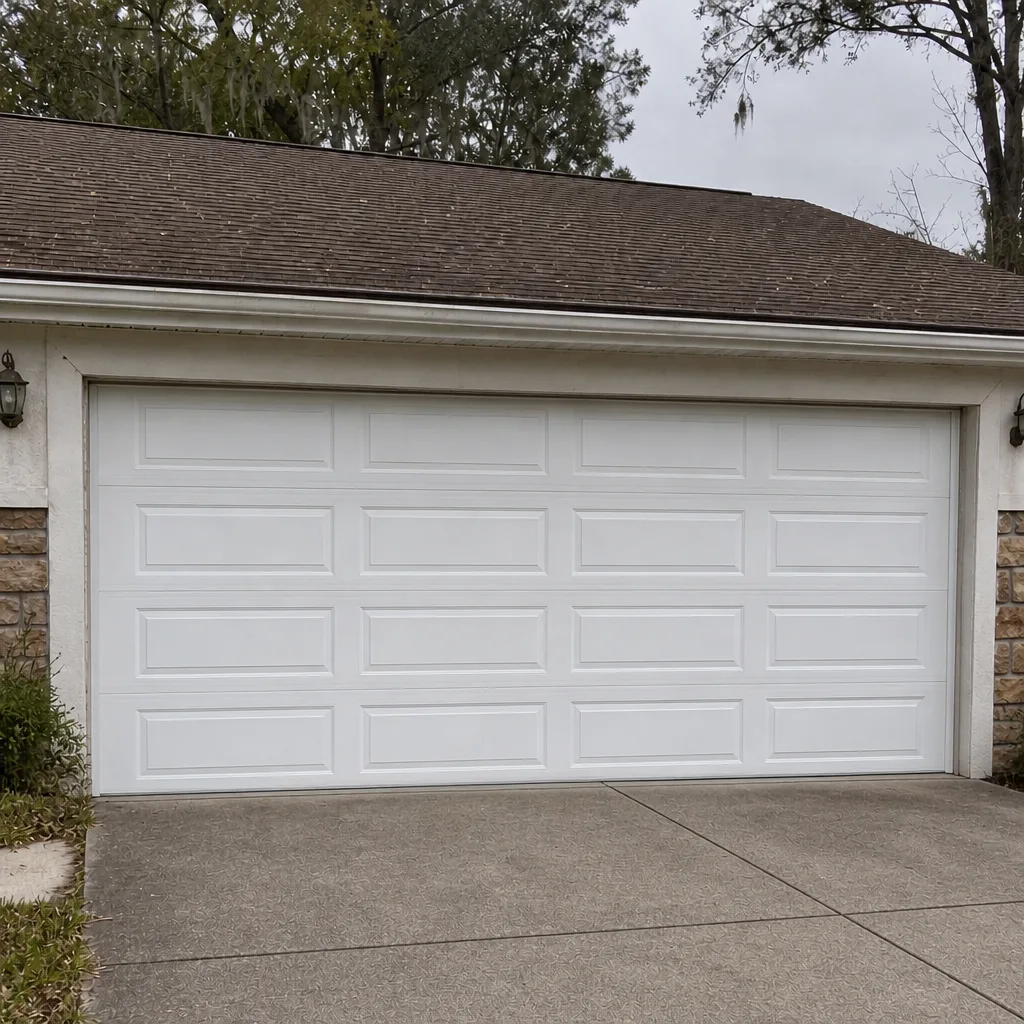
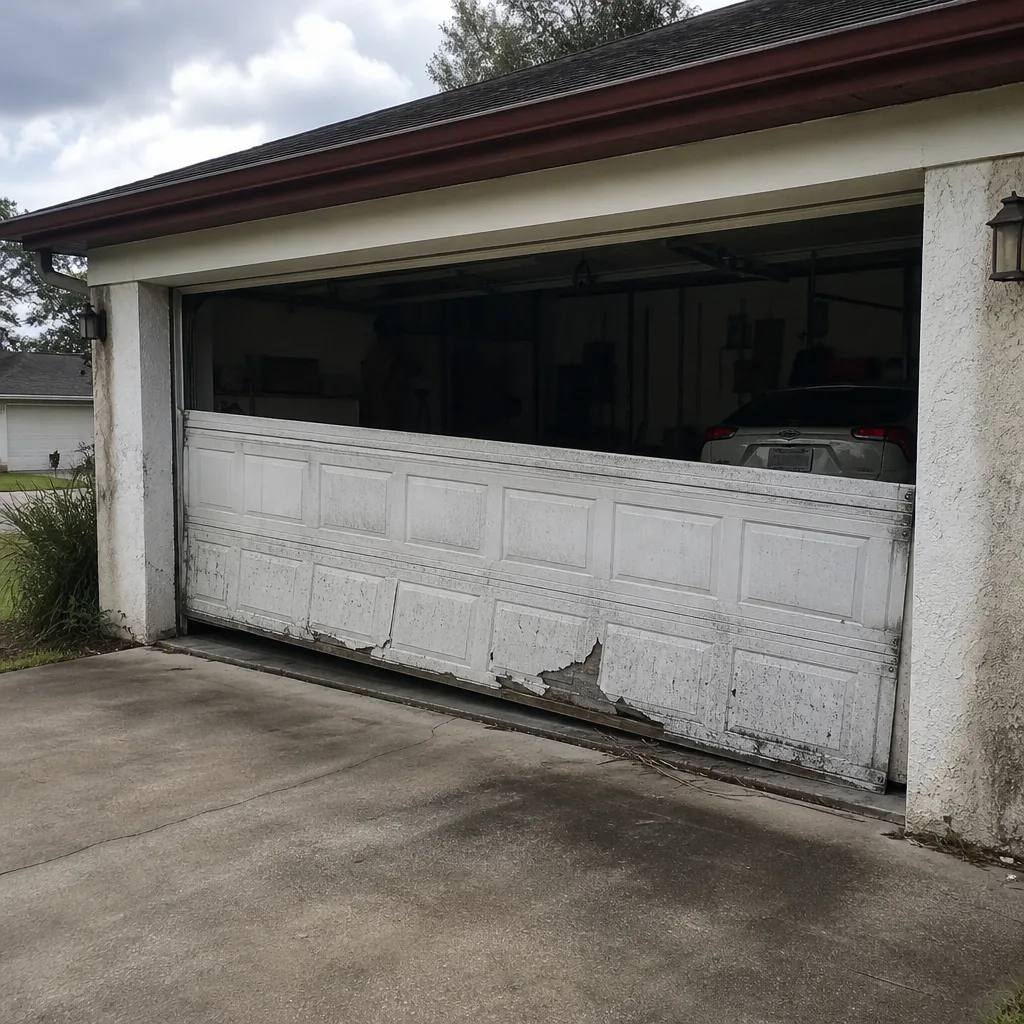
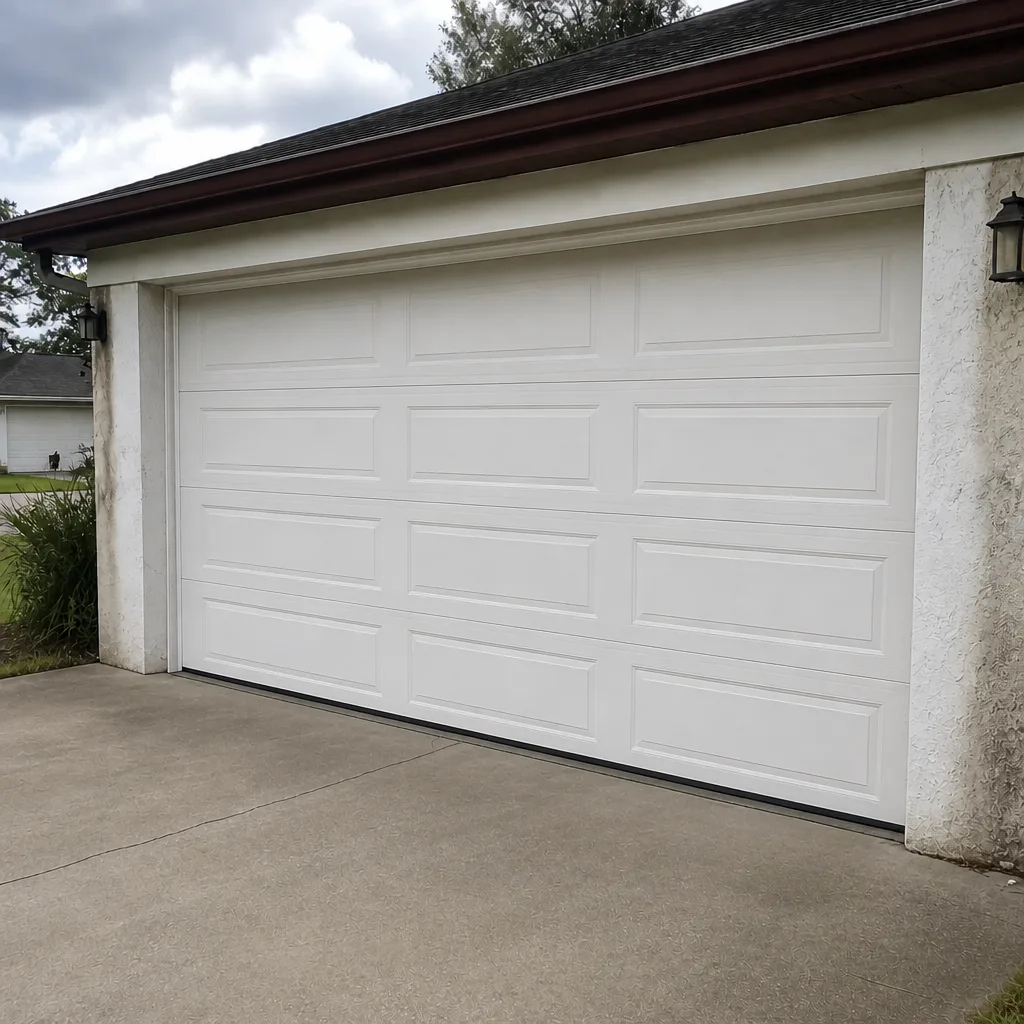
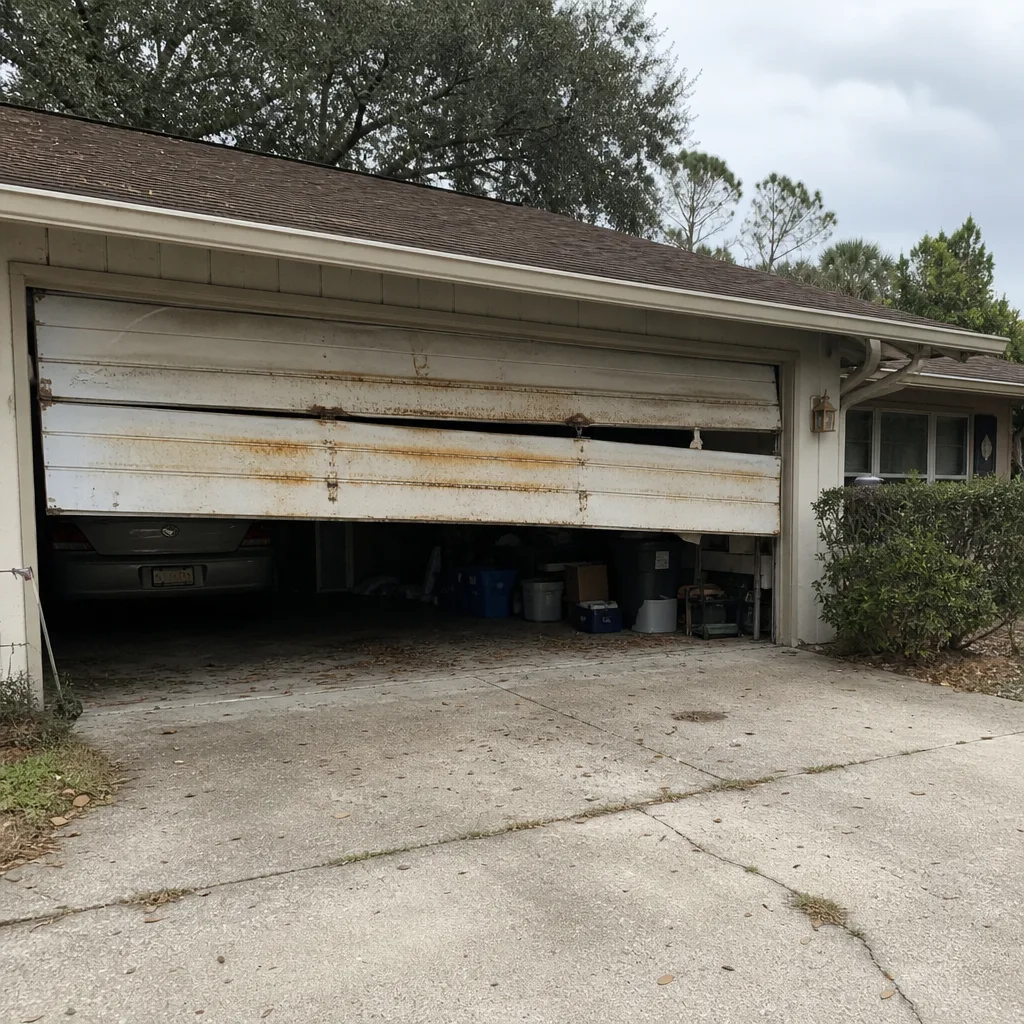
See the difference
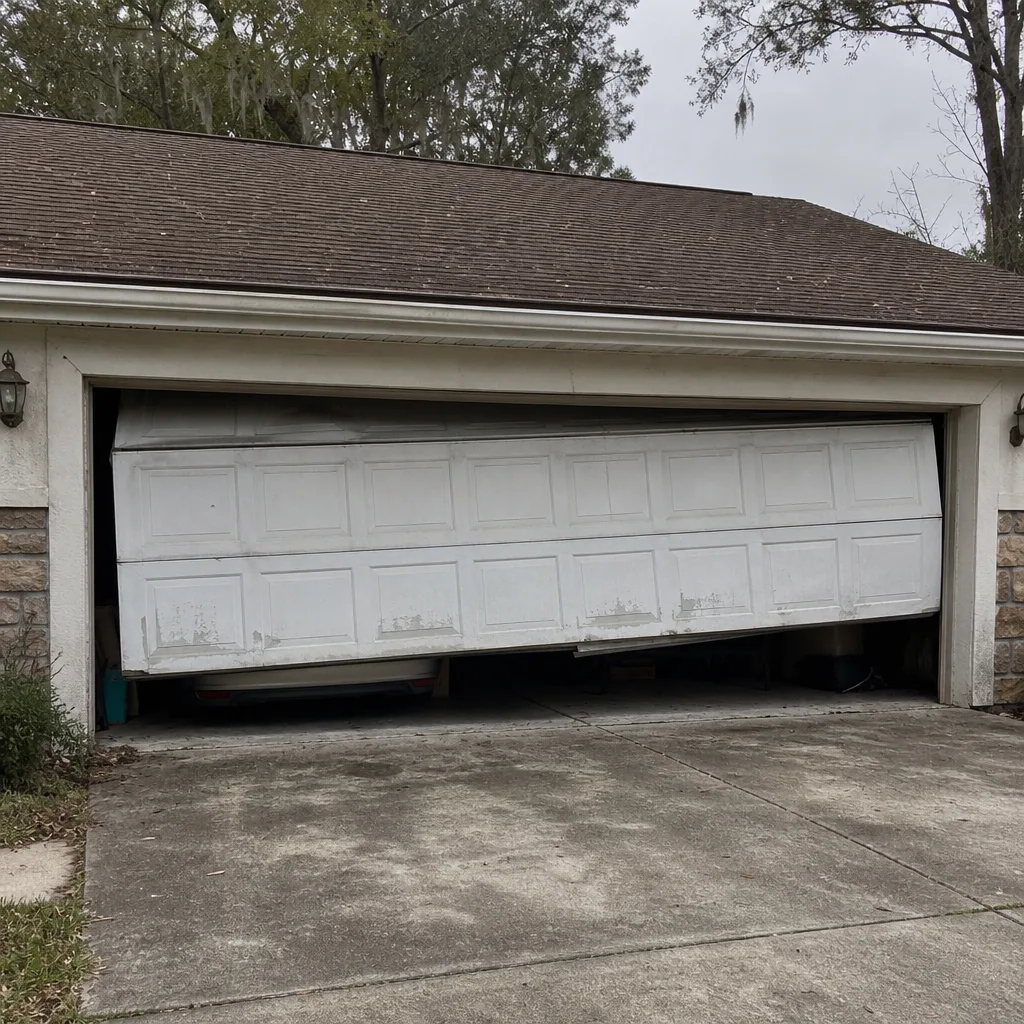 Before
 After
 Before
 After
 Before
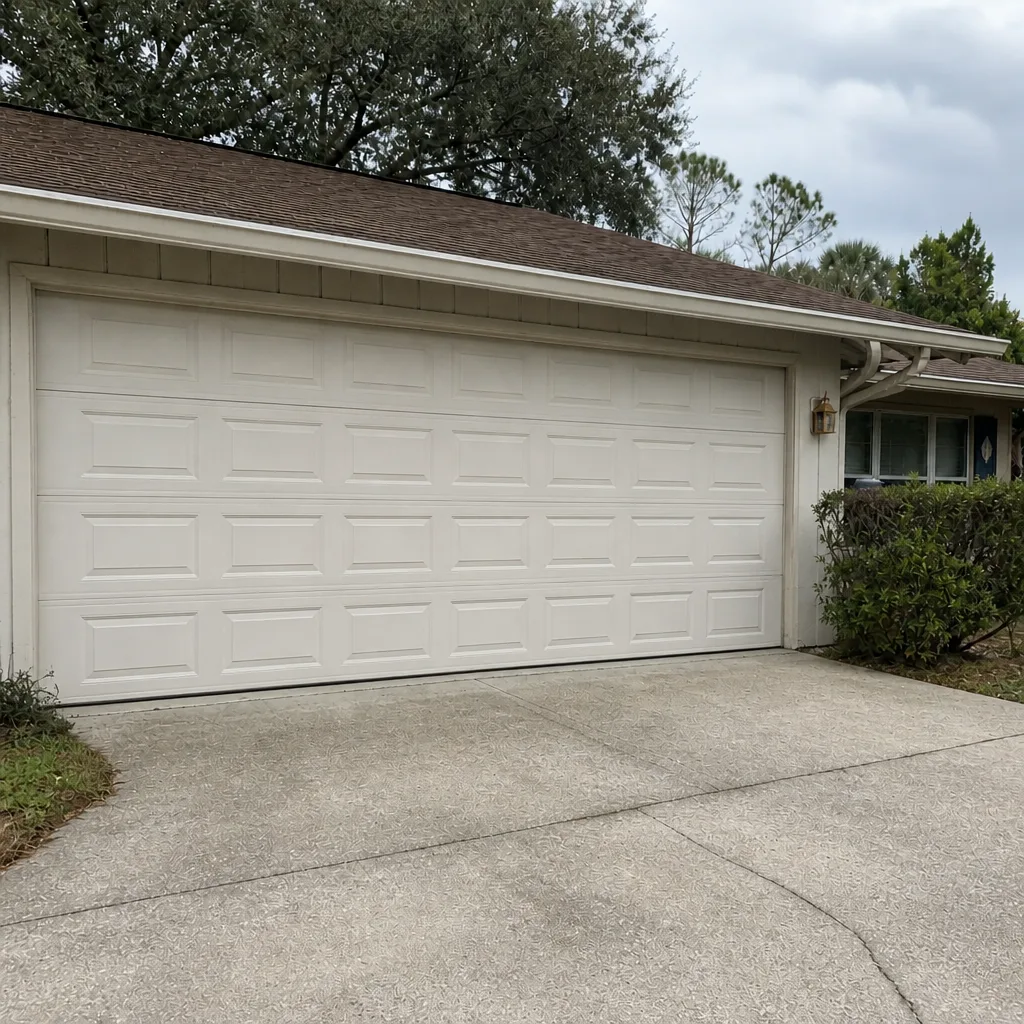 After
When to Call a Professional
Some garage door problems are safe to handle – a noisy roller, a squeaky hinge, a bottom seal that has dried out. Others aren’t. Call a professional the moment a spring snaps, a cable frays or comes off its drum, the door comes down crooked or won’t stay up, the opener strains or reverses on its own, or anything feels loose in the high-tension hardware. And call a specialist before you buy a replacement door in Ocala, so the wind rating and brand match your home and the local code. Ocala Garage Door Repair Pros offers free estimates in Ocala – call (844) 497-0351. One call covers repair, openers, springs, installation, and emergencies, with same-day and emergency service available when a door leaves your home unsecured or your car trapped.
Frequently Asked Questions
A steel door with proper galvanizing, corrosion-resistant hardware, and a wind rating that meets Marion County requirements is the best all-around choice for most Ocala homes. It balances strength, cost, and code compliance. Composite is a strong alternative if you want minimal upkeep and don’t mind the higher price. Call (844) 497-0351 for an exact quote – estimates are free.
Spring repair is priced per spring, and a matched pair is usually replaced together, so a pair costs about twice a single spring. The written estimate you receive before work starts sets the final price, so there are no surprises on the invoice. Call (844) 497-0351 for an exact quote – estimates are free.
Ocala’s humidity keeps metal parts damp for long stretches, and that moisture corrodes spring coils, cables, and hardware faster than in a dry climate. A pitted spring loses strength and can snap with little warning. Lubricating the springs and hinges on a schedule helps them last longer.
Yes – the garage door is the largest opening in your home’s wind envelope, so the local building code assigns a wind rating your door must meet. The exact figure depends on your address, and the Marion County or City of Ocala building department is the authority on permit requirements. A specialist can match the right rated door to your home.
We work on the eight brands most common in Ocala homes: LiftMaster, Chamberlain, Genie, Clopay, Amarr, Wayne Dalton, Craftsman, and Raynor. That includes smart openers from LiftMaster and Chamberlain and their MyQ-connected systems. Knowing the brand already in your home means the right parts and expertise on the first visit.
No – a new door installation in Ocala is a measured, scheduled project, not a same-day job. The door must be ordered to fit and meet the wind rating the code requires, so the timeline runs from measurement through written estimate to installation day. Repair and emergency work, by contrast, can often be handled same-day.
The Bottom Line
Ocala’s humidity, storm seasons, and Marion County wind requirements make your garage door a different decision than a guide written for Phoenix or Portland would suggest. Choose a material that resists corrosion, confirm the wind rating your address needs, and match the door and opener to a brand a local specialist can actually service. Read your data plate before you call, lubricate the hardware, and treat springs as the safety-critical parts they are. Avoid the common mistakes above and you’ll get a door that holds up through Ocala summers and lasts. When in doubt, call a garage door specialist – one call covers it.
Written by the team at Ocala Garage Door Repair Pros.