Last updated November 21, 2026
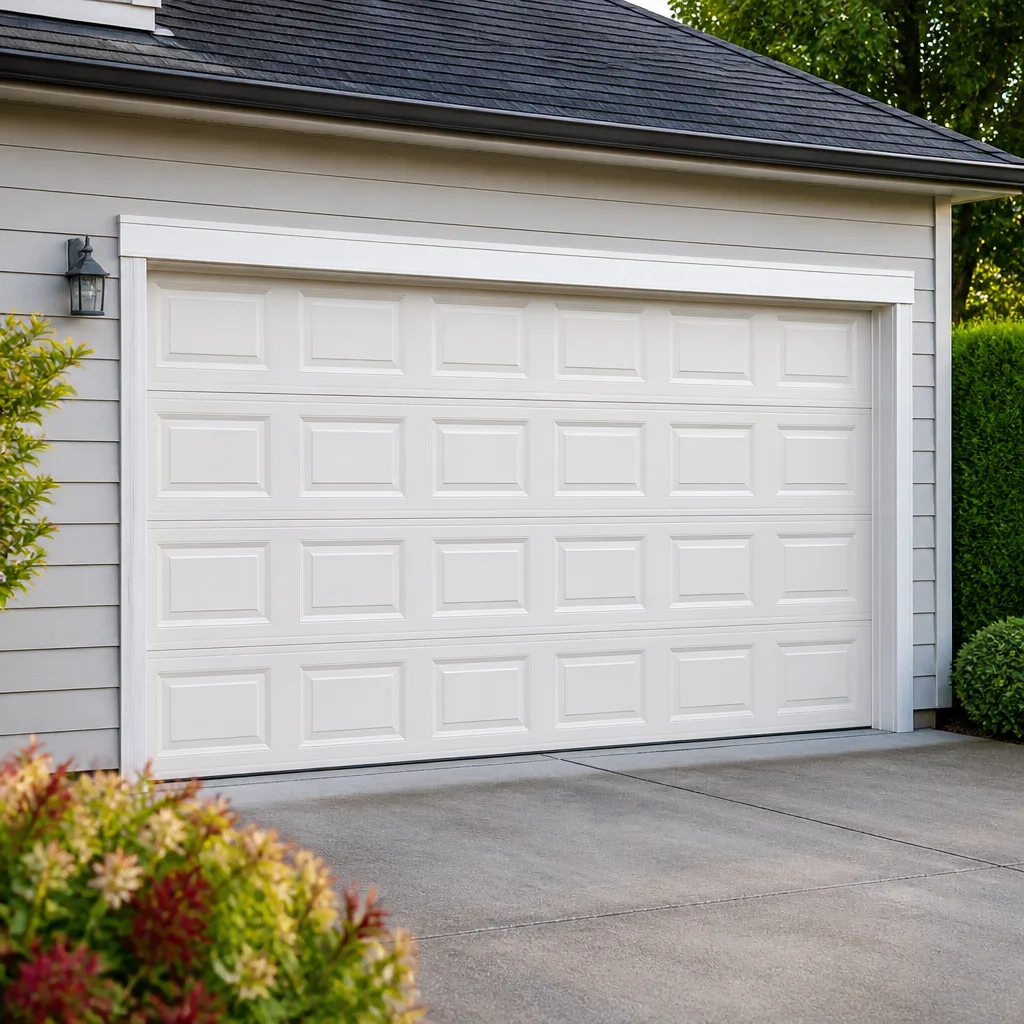 Raised-panel steel
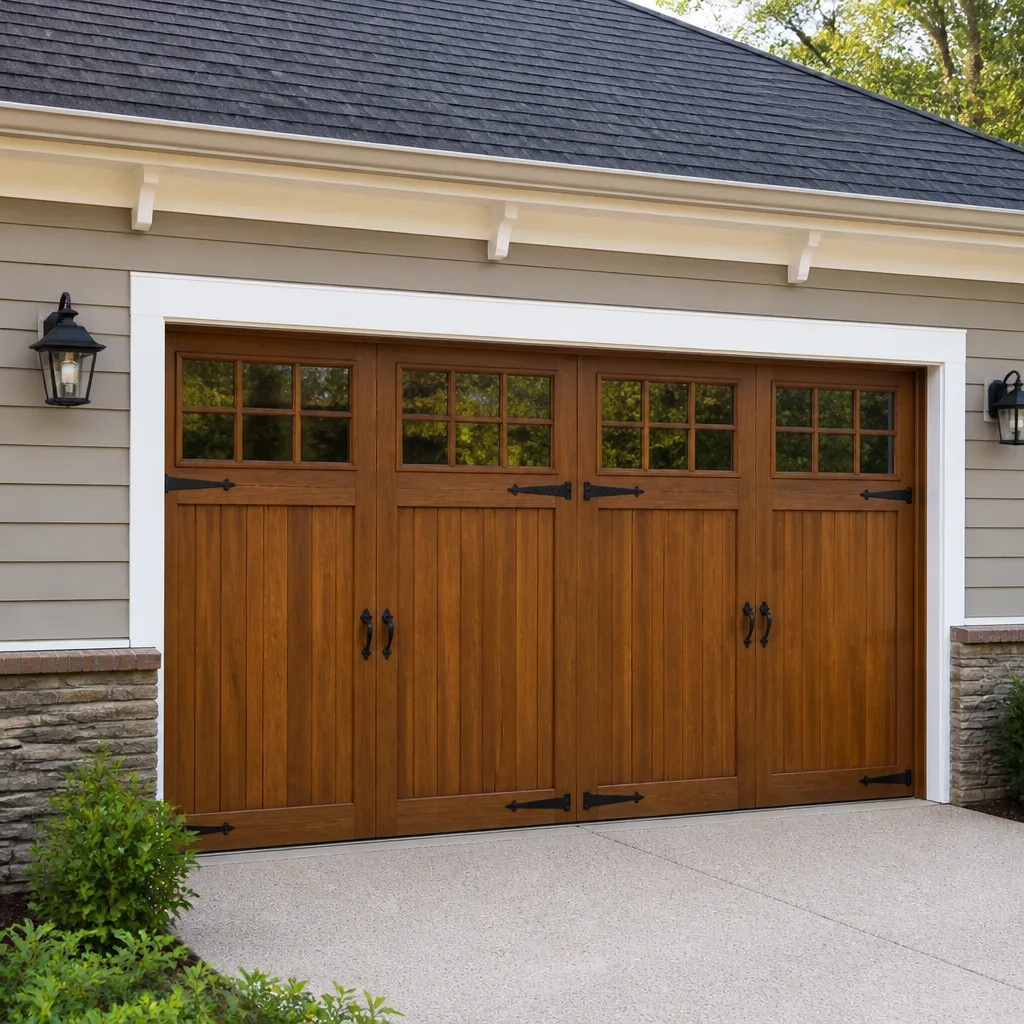 Carriage house
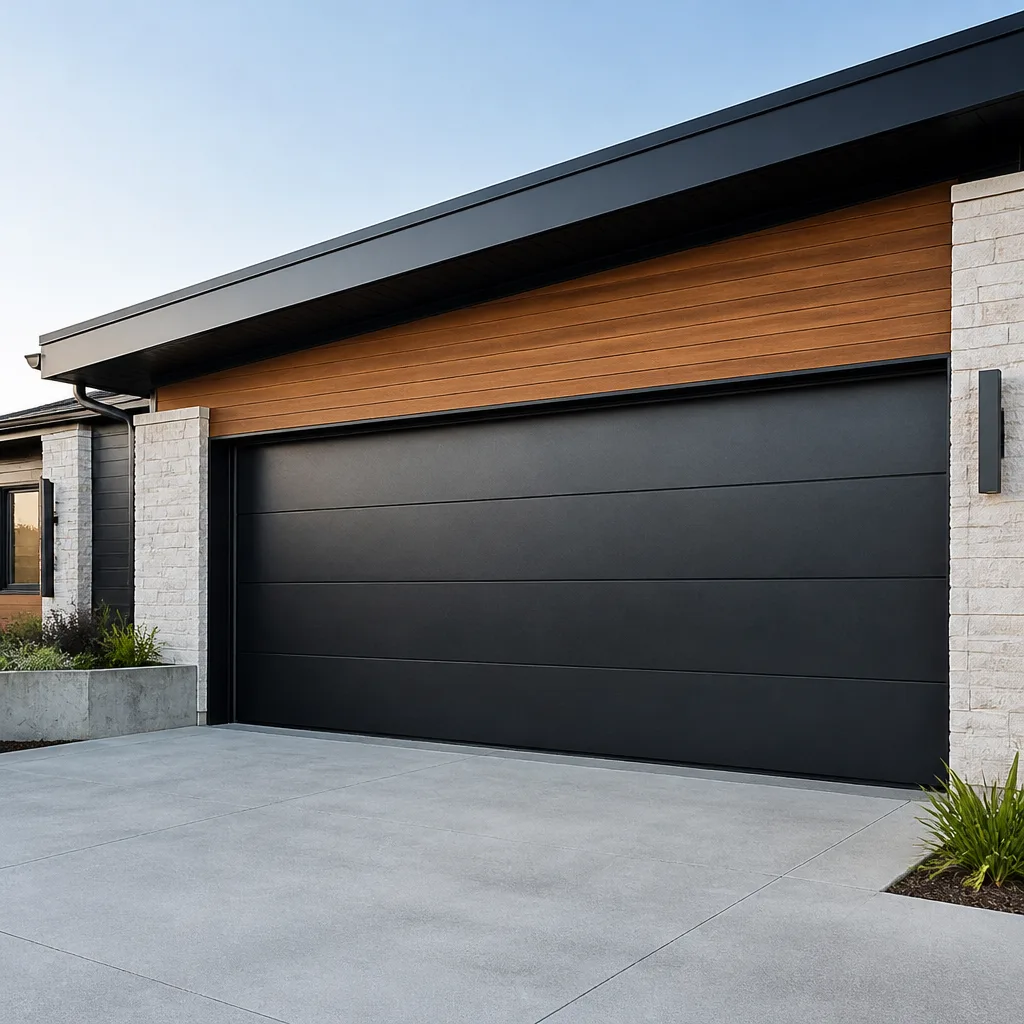 Modern flush
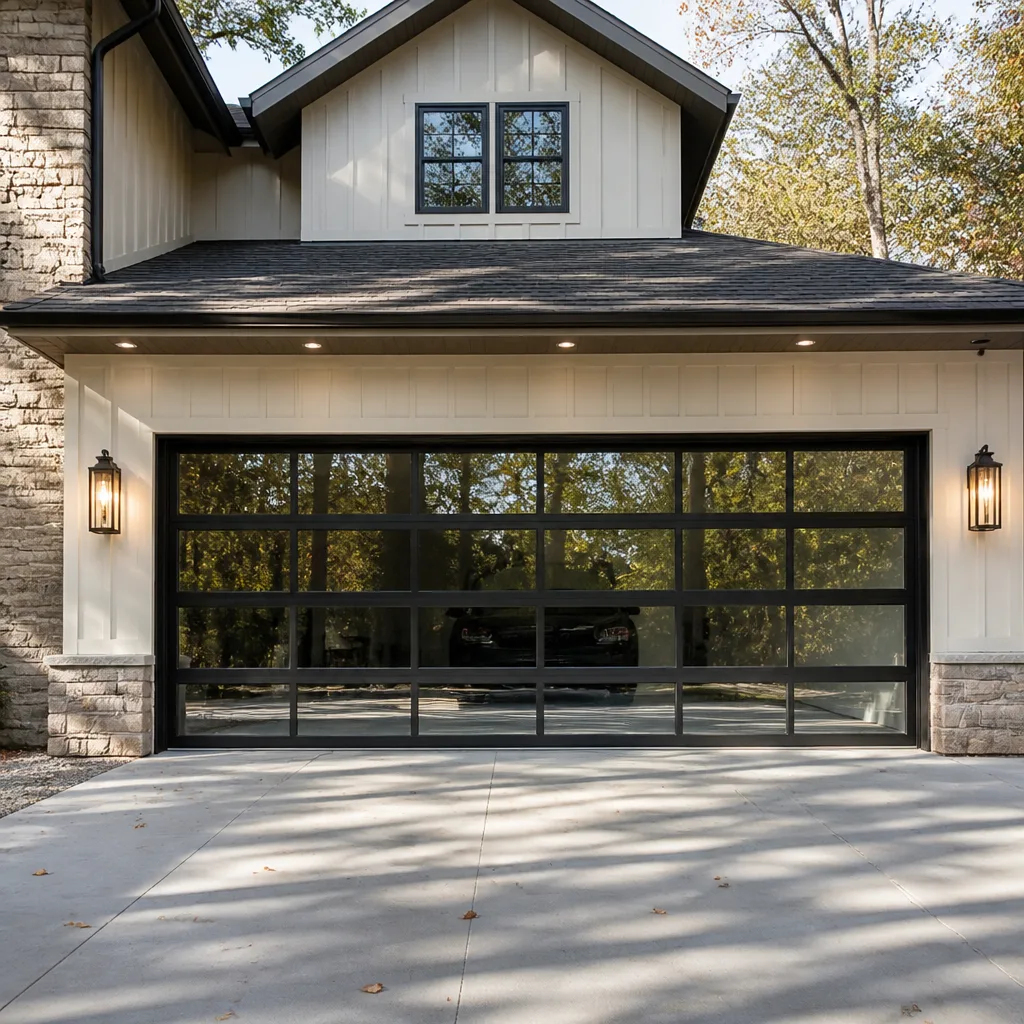 Full-view glass
 LiftMaster openers
 Chamberlain openers
Full 25-point door and opener safety check with every visit - springs, cables, rollers, tracks, and your LiftMaster or Chamberlain opener included
You get a price before we start. It does not change when the pro arrives.
Get your free estimateGarage Door Repair Maintenance Checklist for Ocala Homeowners
Most garage door failures we see in Ocala don’t start with a broken part. They start with dry metal. Humidity here strips the protective film off springs, hinges, and rollers faster than it does in drier climates, and once that film is gone, metal grinds against metal every time the door moves. The manufacturer’s “annual maintenance” schedule was written for a cooler, drier climate, which is why a door that’s technically “serviced” can still fail early here. This guide gives you a checklist built for Ocala’s heat, humidity, and storm season – what to check, when to check it, which products actually help, and where the safe homeowner line sits. Our technicians have up to 14 years of experience working on doors in this climate.
Quick Answer
A garage door maintenance checklist for Ocala should be built around humidity and storm season rather than a generic annual schedule. Check and lubricate springs, rollers, and hinges every three to four months, test the auto-reverse and photo-eye sensors monthly, inspect the door before and after storm season, and leave spring, cable, and torsion work to a trained technician. If you’d rather have it handled in one visit, call Ocala Garage Door Repair Pros at (844) 497-0351 for a free estimate.
Styles & brands we work with
- Raised-panel steel
- Carriage house
- Modern flush
- Full-view glass
- LiftMaster openers
- Chamberlain openers
Table of Contents
- Why Ocala Doors Need a Different Checklist
- The Month-by-Month Ocala Maintenance Calendar
- Lubricants That Work in Florida Heat (and One That Doesn’t)
- The 60-Second Safety Tests Every Month
- What Each Sound Tells You About Spring Wear
- What You Can Safely Do vs. What Needs a Technician
- Brand-Specific Care: LiftMaster, Chamberlain, Genie, and More
- Storm-Season Prep and Post-Storm Inspection
Why Ocala Doors Need a Different Checklist
A garage door in Ocala lives in a tougher environment than the one the owner’s manual assumes. Three forces work on it year-round:
- Heat. Summer temperatures in Ocala push metal and lubricant to their limits. Grease thins out, drips off, and leaves the parts it was supposed to protect bare.
- Humidity. Moist air attacks the thin film of oil on springs, cables, and hinges. Once it’s gone, corrosion starts on the surface of the steel and the door gets louder and harder to move.
- Storm season. Wind-driven rain, airborne debris, and pressure changes stress the door and the opener. Florida storm season runs roughly June through November, and the prep work that matters most happens a few weeks before it starts.
Put those together and the standard “once a year” advice falls apart. A door in Ocala that gets lubricated every three to four months stays quiet and runs smoothly far longer than a door that gets one annual tune-up. Our technicians see this pattern constantly across the homes we service, and it’s why the checklist below is built around Florida seasons instead of a generic schedule.
A second factor is that Ocala has a lot of new construction and mid-century homes sitting side by side. A brand-new Clopay door and an older Amarr door can need different care even though both live in the same climate. The checklist adapts to both – the timing is set by the weather, the details by the door.
The Month-by-Month Ocala Maintenance Calendar
Here’s a practical calendar for the year. It’s built for a typical Ocala home, and it can be adjusted up or down if your door gets heavy use – a two-car household that opens and closes several times a day will always be on the earlier end of each window.
- January: Clean the tracks with a dry cloth and check for tight or loose hardware. Winter is the mildest window here, so it’s the best time to catch anything that loosened over the summer.
- February: Lubricate hinges, rollers, and the torsion or extension springs with a silicone-based spray. Test the balance of the door by hand (details in the safety section).
- March: Inspect weather seals along the bottom and sides. Flexible rubber can crack after a hot summer and a cool winter. Replace where it’s failing.
- April: Test the auto-reverse and photo-eye sensors. Clean the sensor lenses and clear any debris around the eyes.
- May: Pre-storm-season prep. Tighten all visible bolts, confirm the door is balanced, lubricate everything again, and check the opener’s force settings.
- June through August: Monthly sensor tests and a monthly listen for new sounds. This is the peak heat stretch, so greased parts dry out faster.
- September: Mid-season lubrication cycle. Wipe old grease off first, then reapply – layering new lubricant over dried, gritty residue does more harm than good.
- October: Post-summer inspection. Look for warped panels, sagging sections, bent tracks, and separating hinges.
- November: Check the opener’s safety features once more before storm season wraps, and confirm the manual release works.
- December: Clean the tracks, wipe down the sensors, and make a note of anything that needs professional attention in the year ahead.
This is the schedule we recommend for Ocala doors because it matches the two real pressure points here: the air is most humid in late summer and the storms arrive in early summer. Everything else is maintenance that keeps problems from compounding between those two moments.
Lubricants That Work in Florida Heat (and One That Doesn’t)
The single biggest mistake in Ocala garage door maintenance is using the wrong lubricant. Here’s what works and what to avoid:
- Silicone-based spray lubricant – yes. Stays put under heat, doesn’t attract dust, and doesn’t gum up. This is the default for hinges, rollers, and springs in Florida.
- White lithium grease – yes, with limits. Good for the opener’s screw drive or chain drive if the manual calls for it, but it can attract grit on external parts and turn into a paste over time.
- WD-40 (the standard spray) – no. This is the big one. The classic WD-40 formula is a solvent, not a long-term lubricant. It cuts through existing grease, displaces moisture briefly, then evaporates and leaves metal even more exposed than before. In Ocala’s humidity, using WD-40 on springs and rollers accelerates corrosion because it removes the protective film and doesn’t replace it. If you’ve been using it, wipe everything down and switch to a silicone spray.
- Motor oil or household grease – no. Too thick for tight rollers, and it holds dust and grit.
A quick rule of thumb: if the product is marketed as a “penetrant” or “rust buster,” it’s not a maintenance lubricant. Use a product labeled as a lubricant, and use it lightly. You want a thin, even film, not a heavy coat. In Ocala, where heat is high but airflow is limited inside a closed garage, a heavy coat turns sticky and starts catching grit very quickly.
Apply lubricant to:
- The rollers (inside the track, not on the track itself)
- The hinges at each pivot point
- The torsion springs (or extension springs if the door has them)
- The opener’s chain or screw drive, per the manufacturer’s instructions
Do not oil the tracks. That’s a common habit, and it does the opposite of what people want: it attracts dust, the rollers slide instead of rolling, and the door develops a wobble. Tracks should be wiped clean and left dry.
The 60-Second Safety Tests Every Month
The two safety systems on any automatic door are the auto-reverse function and the photo-eye sensors. Both can fail silently, so a monthly test is the only way to know they’re working. Each test takes under a minute.
Auto-Reverse Test
- Place a piece of wood or a roll of paper towels flat on the floor directly under the center of the closed door.
- Close the door using the wall control or remote.
- Watch what happens. The door should contact the object and reverse direction immediately. If it stops without reversing, or needs to push down hard before reversing, the force setting or the mechanism needs attention.
Photo-Eye Sensor Test
- With the door fully open, wave a hand slowly between the two sensors (the small lenses on either side of the opening, roughly six inches above the floor).
- The door should not close while the beam is broken, and the opener light should flash or the door should reverse if it was already closing.
- Clean the lenses with a soft cloth. Here’s where Ocala matters: dust from our sandy soil and spider webs are the two most common causes of a sensor that “randomly stops working.” A five-second wipe solves most of these calls before they happen.
If either test fails, don’t assume the door is fine because it opens on command. A door that closes without a working reverse or sensor is a real risk, especially if children or pets share the driveway. Call (844) 497-0351 and we’ll get a technician out to look at it.
What Each Sound Tells You About Spring Wear
You can often tell how worn a spring is by ear before it breaks. In Ocala, the dry-to-noisy progression happens faster than the manual suggests because of humidity. Here’s how to self-triage:
- Quiet, then a soft “shhh.” Normal. The door is gliding and the springs are doing their job. Keep up with lubrication and check back in a few months.
- A rhythmic groan or squeak. Mild wear. The springs are still functional but the surface film is drying out. Lubricate and re-check in a couple of weeks. If the sound returns within weeks, you’re due for a technician visit.
- A creak that has become a rhythmic “pop” as the door moves. Moderate wear. Springs are starting to bind or the torsion bar is dry, and the door might be working harder than it should. Have it looked at before it fails.
- A loud bang from the garage, followed by the door no longer opening. The spring has broken. This is the classic failure. Stop using the opener, keep the door in the closed position if you can, and call a technician. Do not try to lift or force the door.
- A grinding sound that continues after the door is fully open or fully closed. This can be the opener or the limit switch rather than the springs. Stop the door and get a technician to diagnose it.
What’s important: if a spring is broken, don’t let anyone – including yourself – try to replace it. The springs on a residential door are under extreme tension and can cause serious injury. Spring repair is a safety job, and in our experience, it’s the one job on a garage door that should never be a DIY project. Our garage door repair service treats spring work as a safety-critical task for exactly this reason.
What You Can Safely Do vs. What Needs a Technician
The line between safe homeowner maintenance and work that belongs in a professional’s hands is clear, and it’s worth stating without ambiguity:
Safe for a homeowner
- Lubricating springs, rollers, hinges, and the opener drive
- Wiping down the tracks with a dry cloth
- Cleaning the photo-eye sensor lenses
- Testing the auto-reverse and sensor functions
- Cleaning and inspecting weather seals
- Clearing leaves and debris from around the door and tracks
- Tightening visible hinge bolts with a standard wrench
Requires a trained technician
- Any work on the torsion or extension springs
- Any work on the cables, cable drums, or bottom brackets
- Replacing or realigning the door panels
- Adjusting the torsion bar or resetting the counterbalance
- Replacing the opener motor or circuit board
- Rewiring the opener or the safety sensors
- Any diagnostic that requires taking the door down or removing a section
The reason for that second list is straightforward: the components on it store serious energy. A torsion spring at rest can carry much more tension than a homeowner can safely manage, and a cable under load can snap. The right tools and technique matter for the same reason. If a job involves those parts, call us at (844) 497-0351 and we’ll take it from there.
Brand-Specific Care: LiftMaster, Chamberlain, Genie, and More
Not every door and opener needs the same care, and in our experience the mismatch between brand and maintenance routine is one of the clearer causes of early wear. We work on the brand already in your home, and that matters for how a door should be serviced.
Openers from LiftMaster and Chamberlain have similar construction and share much of the same service logic. Both are common in Ocala homes, and both are the two brands where smart-home compatibility is most common. If your installer set up MyQ or a phone app, check that the app still reports the door status accurately. A connection that drops after a storm is often a simple fix rather than a motor problem, but it’s worth calling in if it persists – our garage door opener repair service handles both brands directly.
Genie openers have their own force settings and a distinct chain or belt tension adjustment. If your door has a Genie opener and the reverse test is failing, the force setting is often the culprit, and the adjustment procedure is brand-specific. Don’t force it – it’s a five-minute fix for a technician and a potential opener replacement for a homeowner.
On the door side, Clopay and Amarr both publish maintenance schedules, and both are common in Ocala new construction. Those schedules assume a generic climate, so use them as a baseline and layer the Florida-specific timing from this guide on top. Clopay and Amarr doors also have specific panel profiles, which is why panel replacement (rather than repair) is usually the right call for a damaged section. If you’re considering a new door rather than repair, our garage door installation service handles sourcing and install for the major brands.
One more thing: when you call for service, tell us the brand and model of the door and opener if you know it. It’s a small detail that speeds up the diagnostic, and it lets us bring the right parts the first time instead of ordering them.
Storm-Season Prep and Post-Storm Inspection
Storm season is the highest-risk window for a garage door in Ocala, and the work that prevents most problems is done before the storms arrive. Here’s the prep worth doing in May:
- Confirm the door is balanced. With the door in the closed position and the opener disengaged (using the manual release), lift the door to about waist height and let go. A well-balanced door stays put. A door that drops or rises on its own needs professional adjustment.
- Tighten all visible hardware. Every bolt that’s loose in May will loosen more with the stress of wind and heat.
- Inspect seals and weatherstripping. A gap at the bottom invites water in and lets wind-driven rain soak the interior.
- Test the opener’s force and travel limits. If the door is set to close too hard, a storm could cause the safety reverse to fight the door. Have this adjusted by a technician if you’re not sure.
- Clear the area around the door. Loose objects in the garage or driveway become projectiles in high wind.
After storm season, usually in October, do a post-summer inspection:
- Look at the door panels for warping, denting, or separation.
- Check the tracks for misalignment or debris.
- Listen for any new sounds during a full open-and-close cycle.
- Re-test the safety reverse and photo-eye sensors.
- Lubricate everything again before the next dry stretch.
If a storm has damaged the door, or if the door is stuck partway and can’t be safely moved, that’s an emergency – and it’s exactly the kind of call our emergency service is built for. Call us and we’ll get a technician out to assess it.
Common Mistakes to Avoid
- Using WD-40 as a lubricant. The standard spray is a solvent, and in Ocala’s humidity it removes the protective film from your springs and rollers rather than replacing it. Wipe the parts down and switch to a silicone-based spray.
- Oiling the tracks. Tracks should stay dry. Oil attracts dust and grit and makes the rollers slide instead of rolling, which causes wobble and wear.
- Skipping the sensor test. A door can open every day and still have a failed safety reverse. In a climate where dust and spider webs are common, sensor problems hide easily. Test monthly, not yearly.
- Lubricating on top of old grease. Fresh lubricant on top of hardened residue turns into a gritty paste. Wipe the old film off first, then apply the new coat.
- Assuming a new door doesn’t need maintenance. A new Clopay or Amarr door uses the same springs and rollers as an older door, and Ocala’s humidity doesn’t treat it any differently. Start the lubrication cycle within the first few months.
- Forcing a stuck door. If the door won’t move, don’t pull on it. A jammed door with a broken spring or a failed opener may need a technician before it can be safely opened or closed.
- Trying to adjust the springs yourself. This is the mistake with the highest risk. Springs carry extreme tension, and even a small error can cause an injury. Leave this one to a trained technician.
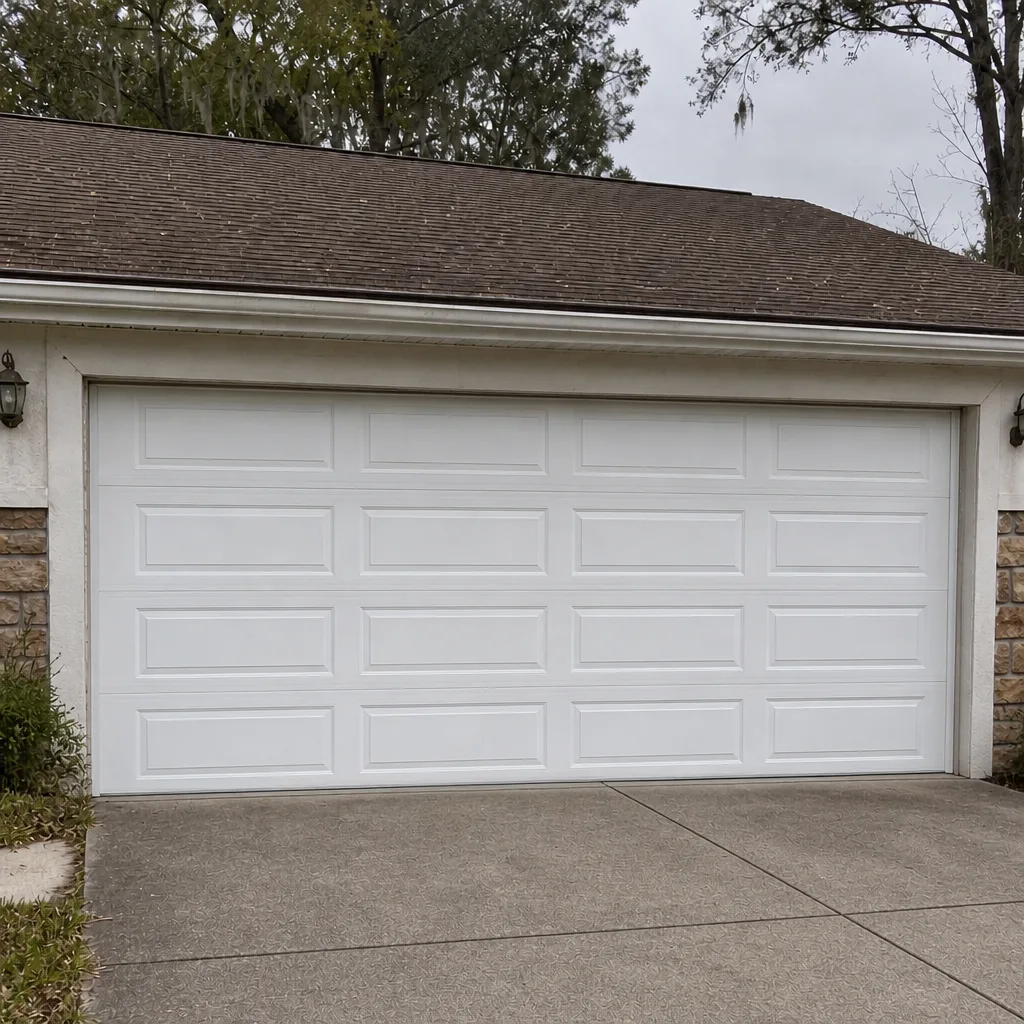
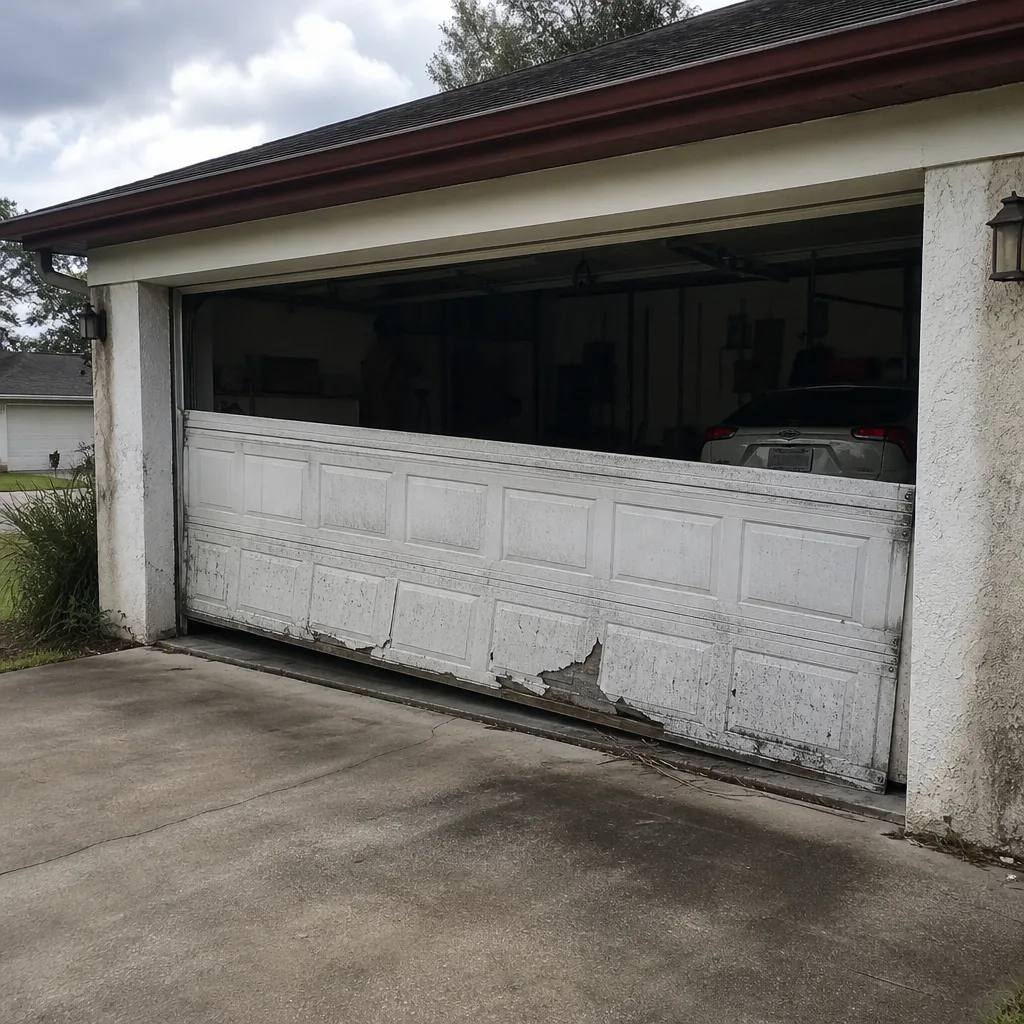
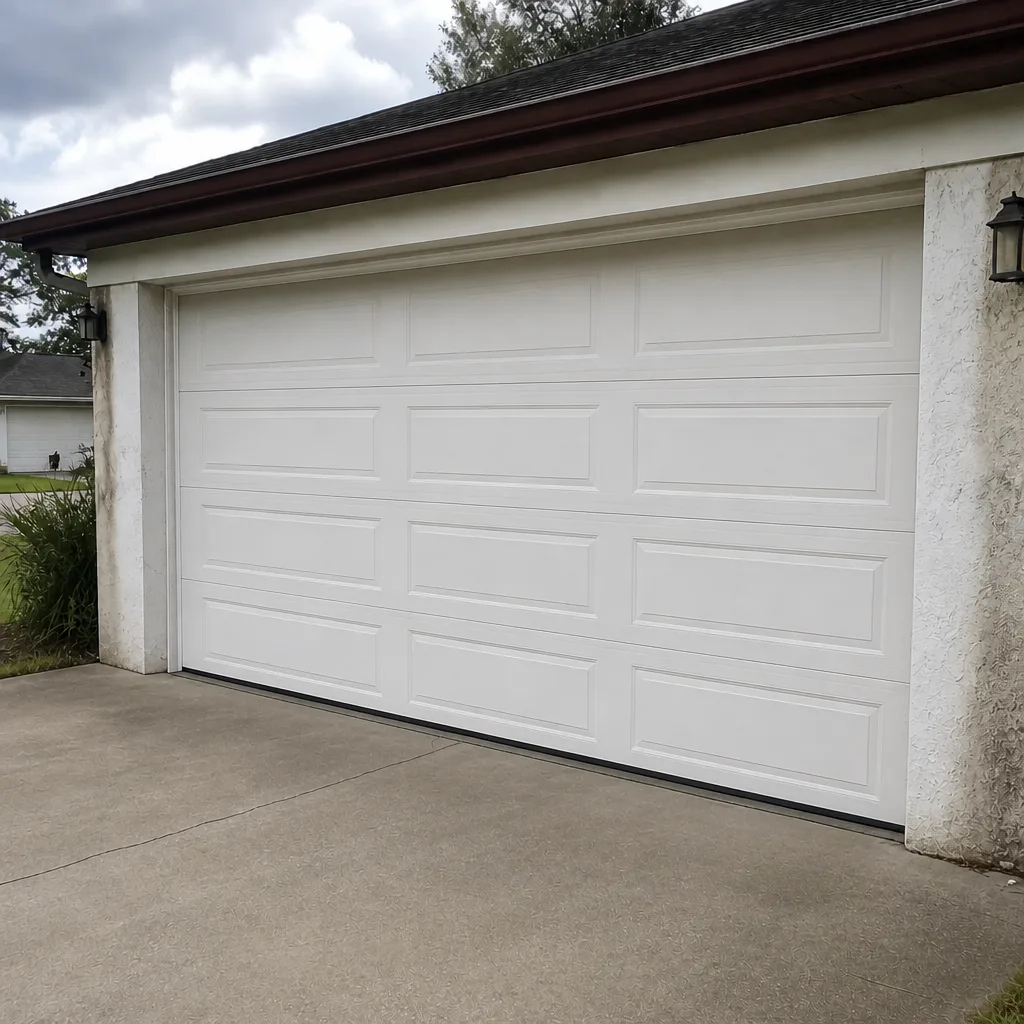
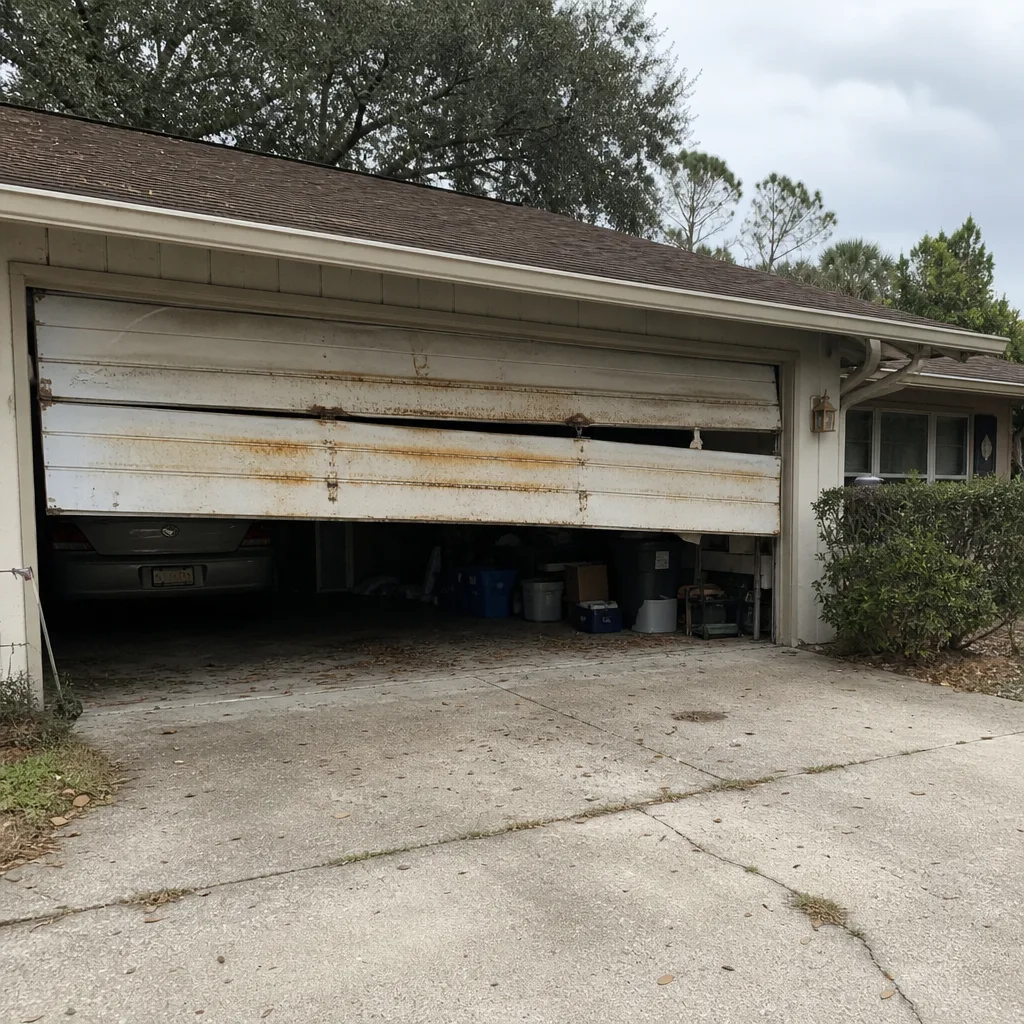
See the difference
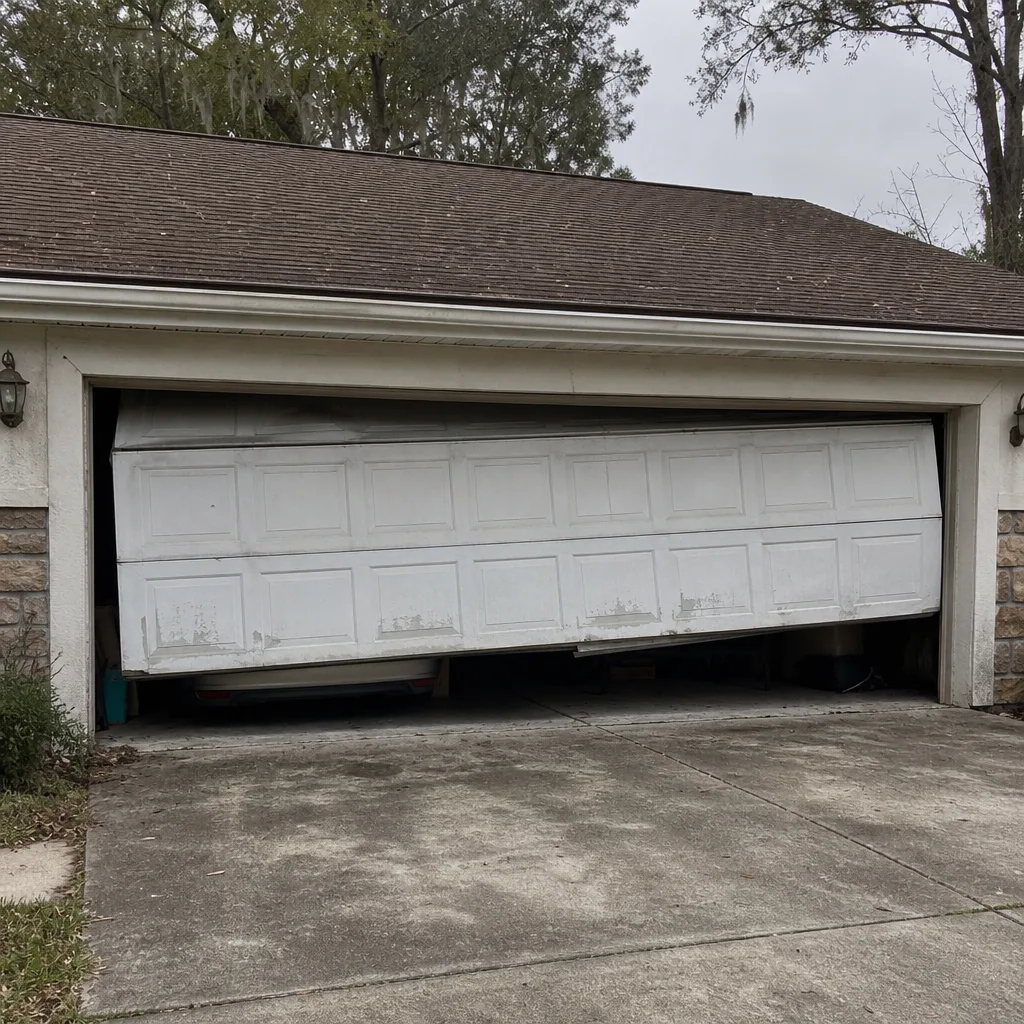 Before
 After
 Before
 After
 Before
 After
When to Call a Professional
Some work on a garage door is genuinely a maintenance task. Some of it is safety-critical and should never be a homeowner job. Call a technician if you notice any of the following:
- A broken spring (classic sign: a loud bang, then the door won’t open)
- The door won’t close all the way, or reverses without a clear obstacle
- The door is visibly crooked, off its tracks, or only opens halfway
- Any work involving springs, cables, or torsion bars
- The opener is making grinding or humming sounds without moving the door
- You’ve tested the reverse or sensors and they’re not working
- You’ve heard a new sound or noticed a change in how the door feels for more than a couple of weeks
If you’re in Ocala and aren’t sure whether a job needs a technician, call us. Ocala Garage Door Repair Pros offers free estimates in Ocala – call (844) 497-0351. We work on the brand already in your home, which means fewer delays and the right parts the first time.
Frequently Asked Questions
Every three to four months is the sweet spot for Ocala’s humidity, and monthly during the hottest stretch if the door gets heavy use. Lubricating more often than that isn’t harmful, but it’s unnecessary – the goal is to keep a thin film on the parts, not a heavy coat. Call (844) 497-0351 for an exact quote on a professional lubrication and tune-up visit – estimates are free.
Yes. Same-day and emergency service is a core part of what Ocala Garage Door Repair Pros does, not an add-on, so call (844) 497-0351 and we’ll get a technician headed your way. If the door is stuck partway open and the house isn’t secure, that’s the priority call.
No. The price is quoted and agreed before any work starts. If we find something the initial conversation didn’t cover, we’ll show you what it is and re-quote before touching a single part. Call (844) 497-0351 for a free estimate and a written price.
Yes. The local technician who comes out is licensed and insured as Florida requires. Ocala Garage Door Repair Pros connects you with the local professional who performs the work, and that professional carries the proper credentials for the job.
It matters more than most homeowners realize. We work on the brand already in your home – LiftMaster, Chamberlain, Genie, and others – and each has its own force settings, tension adjustments, and part profiles. If you know the brand, tell us when you call and it shortens the diagnostic. Call (844) 497-0351 for a free estimate.
Maintenance usually costs less and prevents the inconvenience of a door that fails when you need it. In Ocala’s climate, the biggest risk isn’t age – it’s a door that’s been running dry for months. The annual or semi-annual tune-up catches most of those issues early. If you’d rather skip the DIY, Ocala Garage Door Repair Pros handles the maintenance visit for you – call (844) 497-0351 for a free estimate.
The Bottom Line
Ocala’s heat, humidity, and storm season change what garage door maintenance actually means. The manufacturer’s yearly schedule is a starting point, not the finish line. Built a checklist around four things: lubricate every three to four months with a silicone product, test the auto-reverse and sensors monthly, prep before storm season in May, and inspect after it wraps in October. Use WD-40 on nothing, oil the tracks never, and leave springs and cables to a trained technician. Do those, and you’ll spend a lot less time thinking about your door. Ocala Garage Door Repair Pros is here at (844) 497-0351 when something needs a professional eye.
Written by the team at Ocala Garage Door Repair Pros.